Cosmetic Procedures

What You Need To Know Before Your Lip Filler Appointment

Dr. Dickson, board certified dallas dermatologist

Learn from Dallas board certified Dermatologist, Dr. Lauren Dickson, below. She answers all of your questions about what you need to know before your lip filler appointment.

Cosmetic lip injections are a common noninvasive procedure in which one can achieve more defined or fuller lips in less than 20 minutes.  It is important you choose your lip injector with care. Board-certified dermatologists are expert lip injectors that are well versed in the anatomy and the types of fillers that can be used, and demonstrate superior technique to achieve natural, yet meaningful results.  


What are lip fillers? 

Injectable dermal fillers are gel-like substances composed of hyaluronic acid, a naturally occurring molecule in your skin that binds water, that are injected beneath the skin to restore lost volume, smooth lip lines or “wrinkled”, or enhance volume in the lips.  

What is the downtime after a filler procedure?

There is little to no downtime with fillers.  There is often some degree of swelling immediately post-procedure and for several days.  Icing the injected areas does decrease and shorten the duration of the swelling.

There is a risk for post-procedure bruising.  To minimize this risk, avoid any substances that can thin the blood, such as aspirin and NSAIDs, 2 weeks prior to your procedure. 

What should I avoid before having filler? 

Ingestion of the following substances should be avoided for 14 days before your procedure : Omega-3 fatty acids, Fish oil, Aspirin, NSAIDs (including Advil, Ibuprofen, Motrin, Aleve), Vitamin E, Ginseng, Ginger, Gingko Biloba, Garlic, Green Tea, Alcohol, Salt.  Avoid dental work, including routine teeth cleaning, one month before and one month after treatment with fillers. 

How long do lip fillers last?

Typically 6-12 months. 
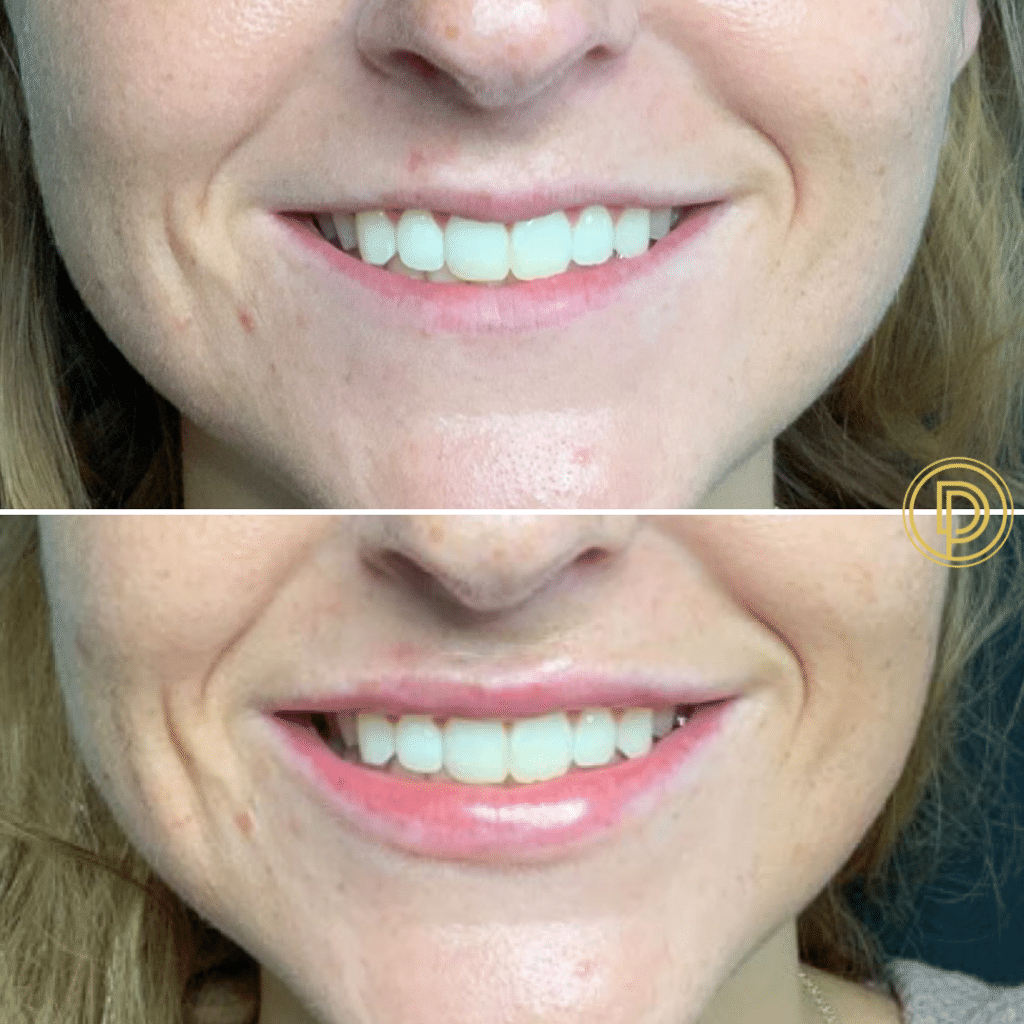
restylane lip filler injections

Are lip fillers safe?

Dermal fillers are FDA-approved and safe for injection. 

What do I need to let me doctor know prior to my procedure?

Please let your doctor know if you have a history of cold sores.  If so, your doctor will likely prescribe you an antiviral to prevent any cold sore breakouts.  

What should I expect during my filler procedure?

Numbing is applied 20-30 minutes prior to your procedure to minimize any discomfort.  The procedure takes approximately 10-20 minutes and is typically very well tolerated without pain.  There is lidocaine, a numbing agent.

What should I expect after my filler procedure?

After injections with fillers, temporary swelling, bruising, redness, or soreness in the treatment area can be experienced.  In order to reduce or minimize these side effects, we recommend applying ice-packs or cold compresses to the injection sites for at least 15 minutes immediately after treatment (and continue to apply them every hour if you are prone to bruising).


Is there anything I should avoid after my filler procedure?

While regular activity can be resumed immediately after injections, heavy exercise should be avoided for the remainder of the day in order to reduce the risk of swelling and bruising.  

Are there any strategies to avoid or limit bruising?

Ingestion of the following substances should be avoided for 14 days before and 1-3 days: Omega-3 fatty acids, Fish oil, Aspirin, NSAIDs (including Advil, Ibuprofen, Motrin, Aleve), Vitamin E, Ginseng, Ginger, Gingko Biloba, Garlic, Green Tea, Alcohol, Salt.

What can I do if I am not happy with my results?

The beauty of using hyaluronic acid fillers is that if you change your mind and decide you don’t want fuller lips or are happy with them for any reason, your doctor can inject an enzyme called hyaluronidase, which will quickly dissolve the filler.  

When should I contact the office?

Call the office immediately if you experience intense pain in the injected areas, severe bruising that is getting worse, or experience visual disturbances.

Do I need to follow up after my filler procedure?

It generally takes 1-2 weeks in order to determine your clinical response to treatment.  For lip fillers, we may recommend two sessions to achieve the desired outcome.

If it is your first treatment, it is advised that a follow-up appointment be scheduled at 2 weeks in order to assess your response to treatment
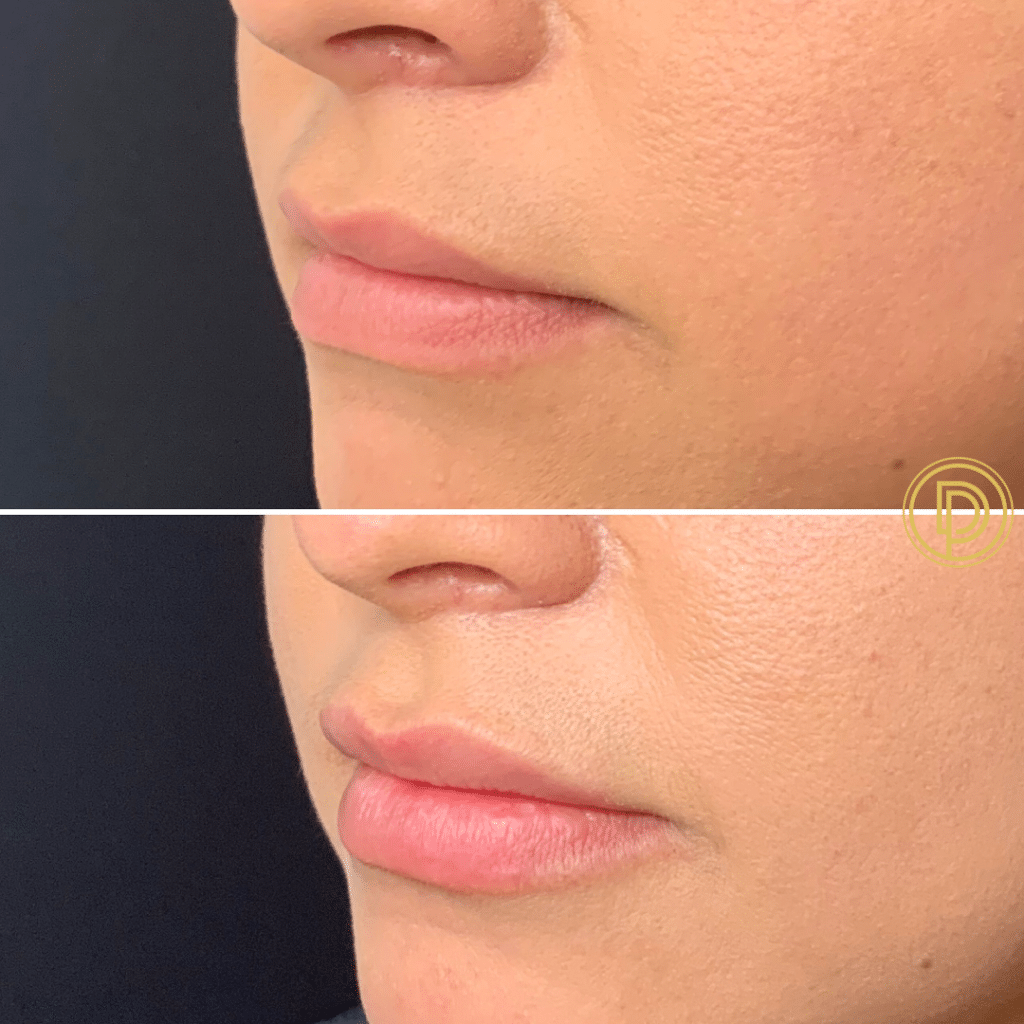
Restylane Lip Filler
Restylane Lip Filler by Dr. Dickson

Book Your Dallas Lip Filler Appointment Today

Book your appointment for lip filler with one of our board-certified dermatologists for natural looking results!

What You Need To Know Before Your Lip Filler Appointment Read More »
Which Chemical Peel is Right for You?

Chemical peels are one of the most effective ways to rejuvenate your complexion, helping with everything from fine lines to stubborn acne scars. At Dallas Dermatology Partners, we offer a variety of chemical peel treatments tailored to your specific skin concerns, including the popular Glycolic Peel, VI Peel, and Melanage Peel for melasma.  

But with so many options, how do you know which peel is right for you? Let’s dive into the details so you can make the best choice for your skin’s unique needs. 

What Are Chemical Peels? 

Chemical peels are a non-invasive skincare treatment designed to exfoliate the skin, encouraging cell turnover and revealing smoother, clearer skin underneath. Depending on the depth of the peel, they can address concerns such as fine lines, sun damage, hyperpigmentation, and acne. Chemical peels are categorized into three main types: 

  • Superficial Peels: This grade of peel targets the outermost layer of the skin. It is ideal for mild discoloration or rough texture. 
  • Medium Peels: Penetrating deeper layers of the skin, medium peels address more significant concerns like wrinkles or acne scars. 
  • Deep Peels: Deep peels reach the deepest layers. They can treat severe skin imperfections but require more recovery time. 

Glycolic Peel 

The Glycolic Peel is a superficial peel that uses glycolic acid, a mild alpha-hydroxy acid (AHA), to gently exfoliate the skin’s surface. This peel is excellent for those with sensitive skin looking to brighten their complexion, reduce fine lines, and minimize pores. With little to no downtime, it’s perfect for anyone looking for a quick skin refresh. If you want smoother skin with a youthful glow, the Glycolic Peel may be the right choice for you. 

VI Peel 

For those dealing with more prominent skin concerns, such as acne scars, uneven tone, or signs of aging, the VI Peel is a great medium-depth option. Combining TCA, salicylic acid, retinoic acid, and vitamin C, the VI Peel penetrates the deeper layers of the skin to stimulate collagen and renew the skin’s texture and tone. It’s suitable for all skin types and offers noticeable results with minimal downtime. Peeling typically starts a few days after the treatment, revealing clearer, smoother skin beneath. 

Melanage Peel for Melasma 

Melasma, a condition characterized by dark patches on the skin, can be difficult to treat. However, the Melanage Peel is one of the few effective treatments for this condition. This peel is specifically formulated to lighten melasma and address hyperpigmentation issues. Over time, it lightens and brightens the skin, making it an excellent option for those who have struggled with melasma or other forms of discoloration. The Melanage Peel can provide long-term improvement in skin tone and clarity. 

How to Choose the Right Peel 

Choosing the right peel depends on your skin type, concerns, and desired results. For mild concerns, such as dullness or minor texture issues, the Glycolic Peel is ideal. If you’re looking to treat deeper concerns like acne scars or wrinkles, the VI Peel offers more targeted results. For those with melasma, the Melanage Peel is one of the most effective treatments available. 

Consulting with a professional is the best way to determine which chemical peel is right for your skin. The specialists at Dallas Dermatology Partners will assess your skin and guide you toward the right treatment for your specific needs and treatment goals.  

Schedule Your Consultation 

Ready to find out which chemical peel treatment is right for you? Contact us or schedule a Dallas Dermatology appointment online today and take the first step toward glowing, rejuvenated skin. 


Which Chemical Peel is Right for You? Read More »

How Often Are Laser Resurfacing Treatments Needed?

Laser resurfacing is one of the safest non-surgical treatments to stave off premature signs of aging and counteract the effects of UV damage. Whether you’re having a mini laser treatment with minimal to no downtime, or a deeper resurfacing that requires a recovery period, these procedures do more than improve the appearance of your skin. Laser resurfacing targets underlying support structures for gradual improvements in skin elasticity and firmness.

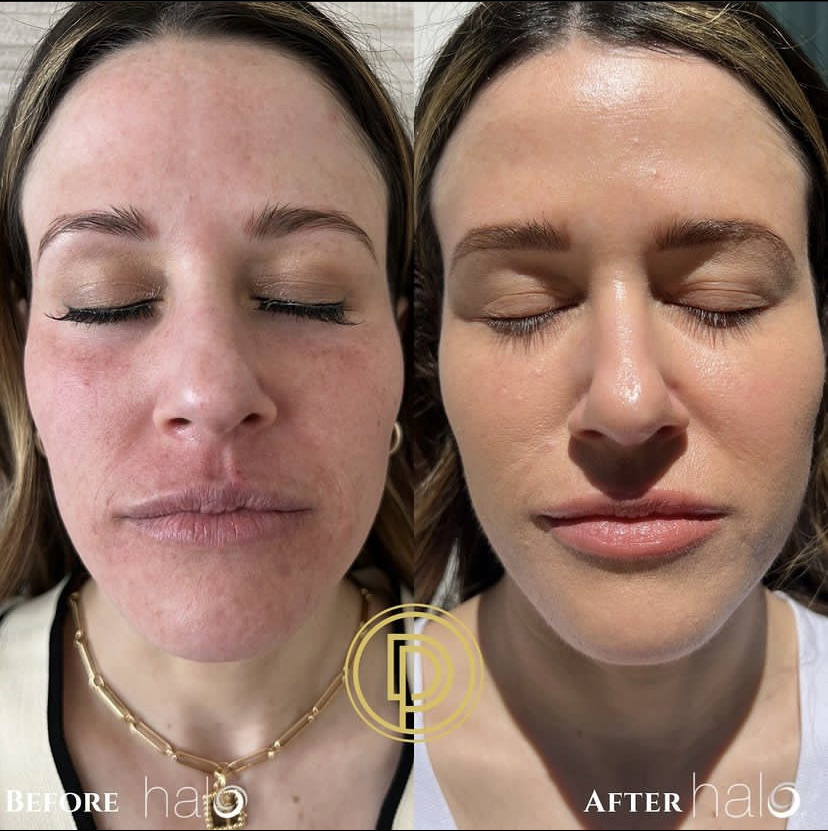
The frequency of laser resurfacing treatments will depend on the type of device being used and the goal of the procedure. For example, patients with extensive sun damage may opt for a more aggressive HALO laser treatment that targets multiple skin concerns in one go. Deeper resurfacing procedures will require more downtime, but the results will last longer.

Deeper Resurfacing Laser Treatments

For example, a laser resurfacing treatment with the BBL Halo laser, which uses ablative and non-ablative energy, may only be necessary every one to three years. This dual-wavelength device addresses discoloration, fine lines, wrinkles, scarring, rough texture, blotchy skin, and other signs of photo-aging. Impressive results are visible after one session and continue to improve for 6 months as new collagen is generated in the skin.

Ablative wavelengths penetrate deeper layers of the skin, inducing the natural healing response. Non-ablative energy targets textural imbalances, enlarged pores, and uneven tone. Halo’s state-of-the-art hybrid technology means patients need fewer treatments to see dramatic improvements.

before and after halo laser

Milder Laser Treatments & Prejuvenation

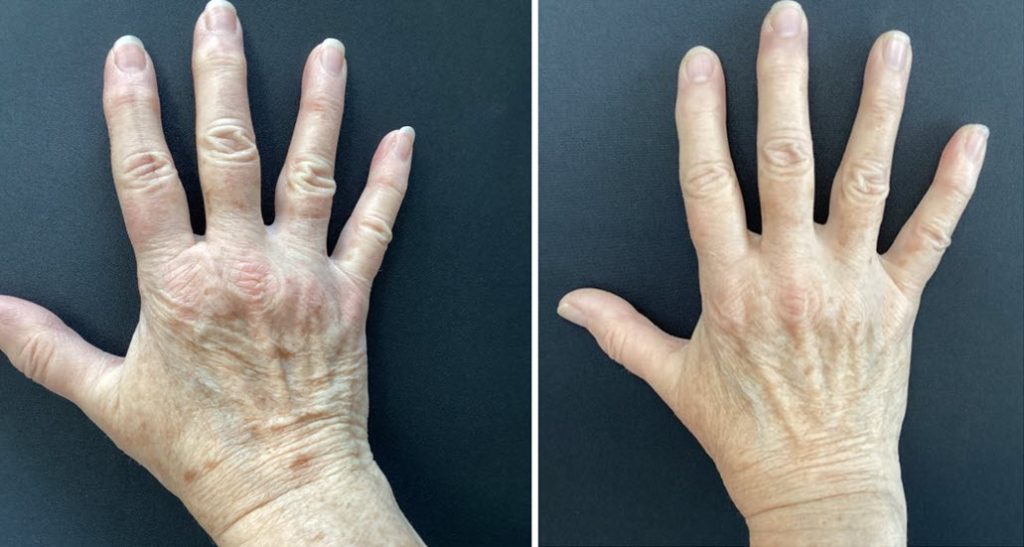
Laser resurfacing with BBL (Broad Band Light) therapy is a less aggressive way to correct photo-damaged skin on a cellular level. The BBL HERO gently heats the upper layers of the epidermis to lighten hyperpigmentation and minimize redness and textural irregularities. Improvements in skin tone, clarity, and texture are evident in two to three weeks after a BBL HERO treatment. However, since this is milder phototherapy, two to three sessions are needed to see optimal results. The intervals between treatments are usually four to six weeks.

Younger patients in their 20s and 30s looking to prevent wrinkles, age spots, and sagging skin are increasingly turning to laser treatments as a preventative measure. In the world of dermatology, it’s known as prejuvenation. In this context, your dermatologist may recommend a milder laser treatment like the mini HALO once every 3-4 months to help trigger collagen production and activate anti-aging genes. Quarterly laser treatments will maintain skin health, elasticity, and volume.

In terms of skin health and appearance, it’s better to prevent wrinkles and sun spots from developing rather than attempting to turn back the clock.
The frequency of laser resurfacing treatments needed will ultimately depend on your skin type, the kind of laser technology used, and whether it’s done to delay signs of aging or restore sun-damaged skin.

bbl broadband light laser hands before and after


Laser Resurfacing in Dallas

Lasers can help preserve a youthful, healthy complexion or counteract the tell-tale signs of the aging process. Whatever your concerns or goals, our board-certified dermatologists can customize a treatment plan accordingly. Book a Dallas dermatology appointment to learn more about our laser resurfacing treatments and how often you’ll need them to maintain a youthful glow.

How Often Are Laser Resurfacing Treatments Needed? Read More »

Can QWO Get Rid of Cellulite on Thighs?

Qwo is a cutting-edge injectable that has been FDA-approved for reducing cellulite in the buttocks. Here at Dallas Dermatology Partners, many of our patients ask if Qwo can also be used to treat dimpling and orange peel texture on their “saddlebags.” The answer is yes! With precise injections and lower dosages, our dermatologists can treat cellulite in the thighs and buttocks. While Qwo thigh treatment is technically off-label, it is a simple and safe procedure when performed by a skilled dermatologist.

cellulite on thighs and butt

What is Qwo?

Qwo is an enzymatic solution that breaks down collagen that accumulates in the fibrous septa. These dense bands are responsible for creating the dimpled or cottage cheese-like surface typical of cellulite.

Qwo for thighs treatment

Our patients love Qwo cellulite treatment because it’s non-invasive, virtually painless, and produces amazing results for smoothing contour irregularities caused by cellulite.
Our dermatologists will mark the injection sites on your thighs and apply a topical anesthetic cream to minimize discomfort. Qwo injections in thighs are gentler and less painful than Botox– thanks to the extra padding in this area. We inject each cellulite dimple, and the entire procedure is over in around 10 minutes.

Side effects of QWO cellulite treatment on thighs

The risk of adverse side effects after getting Qwo on thighs is minimal. The most common side effects are temporary redness and soreness at the injection site and itching. These issues usually resolve within two days, and any bruising will fade over the following week.

Qwo downtime

After having Qwo injections in the thighs, patients can expect mild soreness that can be alleviated with ibuprofen or acetaminophen. For the most part, you can resume normal activities and even hit the gym. In this regard, there is no recovery or downtime after a Qwo treatment.

When will thigh cellulite go away?

You may note improvements as soon as one month after your Qwo injections. Expect to see smoother, dimple-free skin on your thighs about 2-3 months after the treatment. Remember that it takes time for the enzymes to break down the fibrous bands. Most of our patients benefit from two or three Qwo sessions.

How long does QWO thigh cellulite treatment last?

Qwo addresses the root of cellulite and is designed to be a long-lasting– if not permanent– treatment. Since Qwo is new to the market, anecdotal evidence on the longevity of results is still being determined. However, early studies have been promising, and after two or three sessions of this powerful injectable, you will probably be cellulite-free for the rest of your life.

Qwo thigh cellulite treatment in Dallas

Summer is just around the corner, and if leg and thigh cellulite is keeping you out of your favorite shorts and swimwear, now is the time to book your Dallas Dermatology appointment. With our expert guidance and technique, you can be beach-ready and confident in just a few short months.

Can QWO Get Rid of Cellulite on Thighs? Read More »

Can You Get Rid of Cellulite?

Women are much more prone than men to develop cellulite, which develops when connective cords that tether the skin to muscle pull down or stretch, pushing underlying fat cells against the skin. The result is a puckered or dimpled appearance that typically shows up on the buttocks and outer thighs.

While there is a genetic component to cellulite, there is no single cause. However, as producers of the fat-storing hormone estrogen, over 90 percent of women are predisposed to this common problem. It doesn’t matter if you’re heavy or thin, exercise daily, or adhere to a strict vegan diet– you can develop these pesky dimples on the lower body– and there’s no shame in wanting to get rid of it.

If cellulite on the thighs and buttocks is bothersome, you’re not alone. Can you get rid of cellulite completely? Unfortunately, no. But there are some effective, non-surgical procedures, such as QWO, at Dallas Dermatology Partners that can reduce it and improve the appearance of puckered and uneven skin.


cellulite on thighs and butt

Cellulite treatment for legs & buttocks

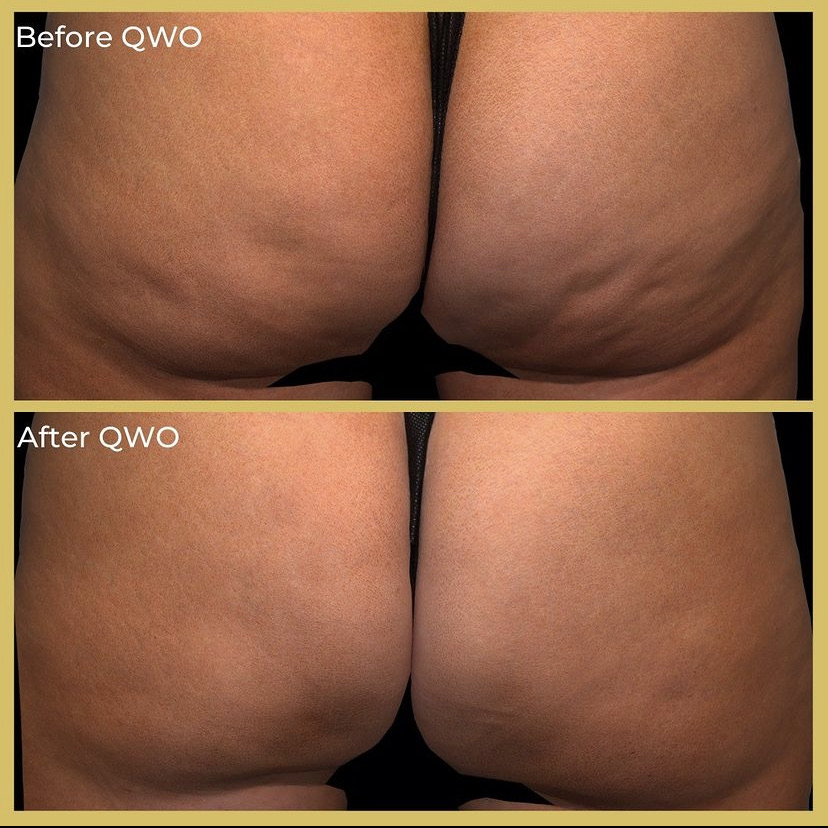
Diet and exercise have their place but do little for smoothing contour irregularities on the buttocks and legs caused by dense fibrous bands. For a smoother derriere, we turn to QWO (Collagenase Clostridium Histolyticum) — the first FDA-approved injectable to treat moderate to severe cellulite. Our dermatologists are thrilled to offer QWO cellulite treatment to minimize contour irregularities on the buttocks and upper thighs.

before and after qwo

How does QWO reduce cellulite?

QWO contains two powerful enzymes that break down the collagen fibers in the septae (fibrous bands) that produce the dimpled appearance of cellulite. These enzymes also stimulate collagen production that improves the integrity and smoothness of the skin.

The injections feel like a bee-sting and take around 15 minutes. There is little to no downtime, and optimal results are seen after 3 treatments, spaced 21 days apart. Bruising, redness, and tenderness are the most common side effects of QWO cellulite treatment for thighs and buttocks.

Ideal candidates for QWO treatment

Our board-certified dermatologists know how to treat cellulite on legs and buttocks and can determine the best candidates for QWO injections. Generally speaking, those with pronounced dimples caused by fibrous strands rather than loose skin are good candidates for this non-invasive treatment.

Skin laxity vs. cellulite

The injectable does not address skin laxity that can mimic the wavy appearance of cellulite. How do you differentiate between age-related loose skin and true cellulite? Lift the skin from the indentation or depression. If the dimple disappears, it is not cellulite.

If skin laxity is the issue, our dermatologists can address this with Genius RF microneedling that combines the benefits of traditional microneedling with fractional radiofrequency energy. In fact, microneedling for tightening skin is safe, non-surgical, and produces noticeable results within a few sessions.

Non-invasive cellulite treatment in Dallas

Interested in learning more about QWO cellulite treatment for buttocks? Our Dallas dermatologists welcome the opportunity to discuss your concerns and design a custom treatment plan in line with your goals. Please call our office or submit the dallas dermatology appointment request form to get started.

Can You Get Rid of Cellulite? Read More »

Contact Us

Contact Us

  • This field is for validation purposes and should be left unchanged.
  • * All indicated fields must be completed. Please include non-medical questions and correspondence only.

Newsletter Signup

Newsletter Signup

Office Hours

Monday-Thursday
8:00AM - 4:00PM

Friday
8:00AM - 2:00PM
(Please note phones are on until 2:30PM)

Our Office

Our Doctors

Office Hours

Monday-Thursday
8:00AM - 4:00PM

Friday
8:00AM - 2:00PM
(Please note phones are on until 3PM)

Accessibility Toolbar

Scroll to Top