Blog

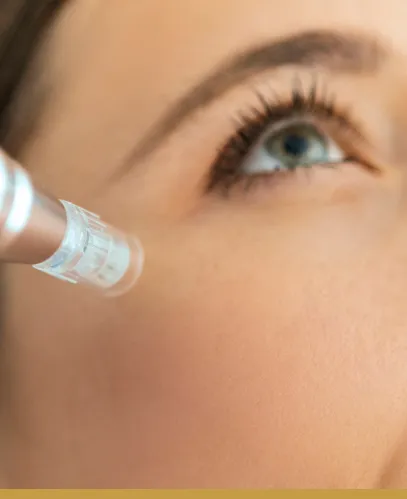
laser treatment light treatment

Things You Need to Know Before Laser Resurfacing

If you’ve started noticing sun damage, uneven texture, or early signs of aging, laser resurfacing can be one of the most effective ways to restore healthier, more radiant skin. But one of the most common things we hear from patients at Dallas Dermatology Partners is this:


“I don’t know where to start—there are so many options.”

That’s completely valid. Laser treatments are not one-size-fits-all, and choosing the right approach depends on your skin, your goals, and your lifestyle. If you’re considering laser resurfacing in Dallas, here’s what you should understand before moving forward.

Start With Your Skin Concerns—Not the Device Name

Many patients come in asking for a specific laser they’ve seen online. But the better starting point is actually your primary concern. Ask yourself:

  • Is your biggest frustration pigmentation or sun damage?
  • Are you noticing fine lines or deeper wrinkles?
  • Is texture—like acne scarring or roughness—the issue?
  • Are you looking for prevention or correction?

Different lasers are designed to target different layers of the skin, which is why the “best” laser is the one matched to your concern, not the most aggressive option available.

How Laser Resurfacing Actually Works

Laser resurfacing works by delivering controlled energy into the skin to stimulate collagen production and cellular turnover.

Depending on the technology used, this can:

  • Remove damaged outer layers of skin
  • Heat deeper layers to trigger collagen remodeling
  • Break up unwanted pigment or redness

Over time, this leads to:

  • Smoother texture
  • More even tone
  • Firmer, healthier-looking skin

According to the American Board of Cosmetic Surgery, this collagen remodeling process is what allows laser treatments to improve both surface-level and deeper skin concerns.

Understanding the Main Types of Laser Treatments

One of the biggest sources of confusion is the terminology. Here’s a clearer way to think about it:

Ablative Lasers (More Intensive, More Downtime)

Ablative lasers remove the outer layer of skin to create more dramatic results. These are best for:

    • Deeper wrinkles
    • Advanced sun damage
    • Significant texture concerns

They typically involve more downtime and recovery.

Non-Ablative Lasers (Gentler, Minimal Downtime)

Non-ablative lasers leave the skin surface intact while heating deeper layers. They are best for:

  • Early signs of aging
  • Mild pigmentation
  • Preventative treatments

They often require multiple sessions but allow you to return to normal activities quickly.

Hybrid Fractional Lasers (The “Middle Ground”)

Hybrid fractional lasers combine both approaches—treating the surface and deeper layers at the same time. These are best for:

  • Moderate sun damage
  • Texture and tone improvement
  • Patients who want results without aggressive downtime

The Laser Options We Offer—And What They’re Best For

At Dallas Dermatology Partners, we carefully select technologies that allow us to fully customize treatment plans.

MOXI: Preventative + Early Correction

The MOXI laser in Dallas is ideal for patients who want to:

  • Maintain youthful skin
  • Address early pigmentation
  • Improve tone with minimal downtime

It’s often described as a “prejuvenation” treatment, perfect if you’re not ready for aggressive resurfacing but want noticeable improvement.

moxi laser before 5 days after 1024x1024
Moxi Laser Treatment before & 5 days after

BBL HERO: Targeting Pigment and Redness at the Source

BBL therapy in Dallas uses light energy (not a traditional laser) to treat:

  • Sun damage
  • Brown spots
  • Redness and vascular concerns

BBL works by gently heating the skin and breaking up pigment, while also stimulating collagen. It’s one of the most effective options for overall tone correction.

HALO: Comprehensive Skin Rejuvenation

The HALO laser in Dallas is a hybrid fractional laser that addresses both surface and deeper skin concerns. This is best for:

  • Fine lines and wrinkles
  • Sun damage and discoloration
  • Texture irregularities

HALO is often recommended for patients who want meaningful results with moderate downtime, making it a strong “middle ground” option.

One Treatment Is Rarely Enough

A common misconception is that laser resurfacing delivers full results after a single session. In reality:

  • Most patients need a series of treatments
  • Results improve gradually as collagen rebuilds
  • Maintenance treatments help preserve results over time

Setting realistic expectations is key to being satisfied with your outcome.

Timing Your Treatment Matters More Than You Think

Laser treatments require planning, especially when it comes to sun exposure and recovery. You’ll want to consider:

  • Upcoming travel or outdoor activities
  • Weddings or major events
  • Your ability to accommodate downtime

Fall and winter are often ideal times for laser resurfacing, since reduced sun exposure helps protect your results.

Combination Treatments Often Deliver the Best Results

In many cases, the most natural and comprehensive outcomes come from combining treatments rather than relying on just one. For example:

  • MOXI + BBL for tone, pigment, and prevention
  • HALO + injectables for texture and volume
  • Laser + medical-grade skincare for long-term maintenance

During your consultation, we’ll guide you through options across all laser treatments in dallas to create a plan tailored to your goals.

Choosing the Right Provider Is Critical

Laser resurfacing is not just about the device; it’s about the expertise behind it. At Dallas Dermatology Partners:

  • All treatments are overseen by board-certified dermatologists
  • We customize every plan based on your skin type and goals
  • We prioritize natural-looking, safe, and effective outcomes

With over 65 years of combined experience, our team is committed to delivering thoughtful, patient-centered care.

Take the Next Step Toward Healthier, More Radiant Skin

Laser resurfacing can be transformative, but only when it’s tailored to you.

The best way to get started is with a personalized consultation where we evaluate your skin, discuss your goals, and design a treatment plan that fits your lifestyle.

Schedule your consultation with  Dallas Dermatology Partners today and start your skin transformation journey.

Things You Need to Know Before Laser Resurfacing Read More »

botox side effects

5 Reasons to Consider Preventive Botox

If you have started noticing faint lines when you frown, raise your eyebrows or smile, you may be wondering whether it is too early to consider Botox. For many patients in their 20s, 30s, and early 40s, the answer is no. Preventative Botox offers a proactive way to maintain smooth, natural-looking skin before deeper wrinkles develop.

At Dallas Dermatology Partners, we take a patient-centered approach grounded in experience and precision. Our board-certified dermatologists focus on subtle, targeted treatments that preserve your natural expressions while helping you stay ahead of visible aging.

What Is Botox and Why Is It Safe?

Botox is a purified protein derived from botulinum toxin type A. While that may sound intimidating, it has been safely used in medicine for decades in highly controlled, small doses.

In cosmetic dermatology, Botox works by temporarily relaxing specific facial muscles that repeatedly cause skin creasing. When those muscles are softened, the overlying skin appears smoother, and lines become less noticeable.

Safety comes down to expertise. When Botox is administered by a trained, board-certified dermatologist who understands facial anatomy, it is considered both safe and effective. At Dallas Dermatology Partners, every treatment is performed with careful attention to dosing, placement, and your individual facial structure.

Where Preventative Botox Works Best

Preventative Botox is most effective in areas where repeated facial movement leads to early line formation:

  • Forehead lines from raising your eyebrows
  • Frown lines between the brows from concentrating or squinting
  • Crow’s feet from smiling and eye movement

These areas respond well because they are driven by muscle activity. Strategic treatment allows us to soften those movements without taking away your natural expression.

Where Botox Is Not the Best Option

An important part of expert care is knowing when Botox is not the right treatment.

Smile Lines Around the Mouth

Lines around the mouth are often caused by volume loss and skin changes rather than muscle movement alone. Using Botox in this area can interfere with your ability to smile and speak naturally. For this reason, experienced dermatologists typically recommend alternative treatments such as dermal fillers or resurfacing procedures instead.

Under-Eye Lines and Puffiness

Botox is not ideal for under-eye concerns. The skin in this area is thin and delicate, and relaxing the muscles can sometimes make puffiness or shadows more noticeable.

Other options, such as laser treatments, skincare, or carefully selected fillers, may be more effective depending on your anatomy. This is why a personalized consultation is essential to determine the best approach for your goals.

5 Reasons to Consider Preventive Botox

1. Slow the Development of Wrinkles Before They Set In

One of the most important benefits of preventive Botox is that it helps prevent wrinkles from becoming permanent.

Every day facial expressions like smiling, frowning, or raising your eyebrows cause the skin to fold repeatedly in the same areas. Over time, those lines can become etched into the skin even when your face is at rest. Preventative Botox reduces this repetitive motion, helping to delay the formation of deeper, more noticeable wrinkles.

At Dallas Dermatology Partners, we carefully target high-movement areas to help preserve smooth skin over time without over-treating.

2. Maintain Natural Movement and Avoid a Frozen Look

One of the most common concerns patients have is whether Botox will make them look stiff or expressionless. When performed correctly by experienced professional, it should not.

Our philosophy is centered on enhancing your natural appearance, not changing it. By using precise placement and conservative dosing, we soften lines while allowing you to maintain full facial expression. You will still look like yourself, just more refreshed and relaxed.

botox dysport injection sites

3. Require Less Treatment Over Time

Starting Botox earlier often means you need less of it in the long run.

When lines are just beginning to form, they respond well to smaller, targeted doses. This allows us to achieve noticeable improvement without using excessive product. Over time, consistent treatment can help reduce how strongly certain muscles contract, which may lead to longer-lasting results.

This approach supports a more natural, gradual maintenance plan rather than reactive correction later.

4. Take a Proactive Approach to Aging

Preventative Botox allows you to stay ahead of the aging process rather than trying to reverse it later.

Once wrinkles become deeply set, treatment may require multiple approaches such as fillers, lasers, or resurfacing procedures. While those options are effective, many patients prefer to prevent deeper lines from forming in the first place.

Botox can also be combined with other injectables in Dallas and medical-grade skincare to create a comprehensive, long-term plan tailored to your skin.

5. Build Confidence with Subtle, Early Improvements

The early signs of aging can be subtle, but they can still impact how you feel about your appearance.

Preventative Botox offers a way to address those changes early with results that are refined and understated. The goal is not to look different, but to look like a more refreshed version of yourself.

Many patients appreciate the confidence that comes from knowing they are taking a thoughtful, informed approach to their skin.

Why Patients Trust Dallas Dermatology Partners

Choosing the right provider is one of the most important decisions you can make when considering Botox.

Dallas Dermatology Partners is a physician-owned practice led by board-certified dermatologists with more than 65 years of combined experience. Our team is known for delivering results that are natural, balanced, and tailored to each patient.

We focus on:

  • Treating the correct muscles with precision
  • Using minimal, effective dosing
  • Preserving natural movement and expression

Whether you are exploring Botox in Dallas or considering alternatives like Dysport in Dallas, your care is guided by expertise and a commitment to patient-centered outcomes.

Schedule Your Consultation

Preventative Botox is not one-size-fits-all. The best results come from a customized plan based on your facial anatomy, skin condition, and long-term goals.

If you are starting to notice early lines or want to take a proactive approach to aging, our team is here to help you make an informed decision.

Schedule your Dallas dermatology appointment today and discover a personalized approach to maintaining natural, healthy-looking skin

5 Reasons to Consider Preventive Botox Read More »

mens acne treatment

Signs & Reasons You Should See a Dermatologist for Acne

Most people try to manage acne on their own first. You switch cleansers, try spot treatments, maybe follow a skincare routine you saw online and hope it starts to improve. For some, that works. For many, it does not.

Acne is not just about clogged pores or the wrong product. It is often influenced by hormones, inflammation, genetics, and how your skin responds over time. When breakouts persist or start to change, it is usually a sign that you need more than over the counter solutions.

At Dallas Dermatology Partners, we take a medical approach to acne that is tailored to your skin and your lifestyle. If you are unsure whether it is time to see a dermatologist, here are some of the most common signs patients experience before seeking care.

Your Breakouts Are Not Getting Better, No Matter What You Try

One of the clearest signs is frustration. You feel like you are doing everything right, but your skin is not improving.

You might notice that your breakouts keep coming back in the same areas, or that as soon as one blemish heals, another one shows up. Your skin may look consistently uneven or inflamed, even on days when you are not actively breaking out.

Many patients tell us they have been trying different products for months without real progress. At that point, it is not about finding a better cleanser. It is about understanding what is actually causing your acne and treating it at the source.

Your Acne Feels Deep, Painful, or Slow to Heal

Not all acne is the same. Some breakouts stay on the surface, while others feel deeper and more uncomfortable.

If you are dealing with bumps that feel tender, swollen, or sore when you touch them, that is a sign of inflammation beneath the skin. These types of breakouts often take longer to come to a head, if they do at all, and can linger for weeks.

They may leave behind dark marks or discoloration after they heal, especially if they are picked at or irritated. This type of acne is more likely to lead to scarring, which is why early treatment is important.

Your Breakouts Are Constant or Keep Coming Back

For some people, acne is not occasional. It feels like it is always there in some form.

You may go through cycles where your skin slightly improves, but it never fully clears. New breakouts appear before old ones have time to heal. This can make your skin feel unpredictable and difficult to manage.

Chronic acne does not always mean severe acne. Even mild but persistent breakouts can benefit from professional treatment because they indicate an ongoing underlying trigger that needs to be addressed.

Your Acne Is Showing Up in Multiple Areas

If your acne is spreading beyond a single area, it may be more than a surface-level issue.

You might notice breakouts across your cheeks, forehead, and chin at the same time, or even on your chest, shoulders, or back. These breakouts can vary in type, from small clogged pores to red, inflamed blemishes.

When acne is more widespread, it often requires a more comprehensive treatment plan rather than isolated spot treatments.

You Are Starting to See Dark Spots or Texture Changes

Even after breakouts heal, they can leave behind reminders.

Many patients notice dark spots that linger for weeks or months after a blemish is gone. Others begin to see uneven texture, small indentations, or areas where the skin no longer looks smooth.

These changes can become more difficult to treat over time. Addressing acne earlier helps reduce the risk of long-term marks and allows for better overall skin outcomes.

Your Acne Has Changed or Suddenly Got Worse

Sometimes acne is not just persistent. It is different than it used to be.

You may notice that your breakouts are becoming more frequent, more inflamed, or appearing in new areas. What used to be small whiteheads may now feel deeper and more noticeable.

Changes like this are often linked to internal factors such as hormones, stress, or lifestyle shifts. When acne evolves, your treatment approach should evolve with it.

hormonal acne treatment
Young woman before and after acne treatment. Skin care concept

You Are Experiencing Adult or Hormonal Acne

Many patients are surprised when acne appears later in life or continues well beyond their teenage years.

Adult acne often shows up along the jawline, chin, and lower cheeks. It may feel deeper and more persistent, and it can be more difficult to treat with standard products.

Hormonal acne, in particular, tends to follow a pattern. You may notice flare-ups around your menstrual cycle or consistent breakouts in the same areas each month. These breakouts often do not respond well to topical treatments alone and may require a more targeted, medical approach.

Acne Is Affecting How You Feel About Your Skin

Acne is not just about appearance. It can affect how you feel day to day.

You might find yourself avoiding going out without makeup, feeling frustrated when your skin does not cooperate, or constantly thinking about how to cover or treat your breakouts.

These experiences are more common than people realize. If acne is impacting your confidence or your routine, it is a valid reason to seek help. Treatment is not just about clearer skin. It is about feeling more comfortable in it.

Why Seeing a Dermatologist Makes a Difference

At a certain point, continuing to experiment with products can do more harm than good. Acne often requires a structured plan that is based on your specific skin type, triggers, and goals.

At Dallas Dermatology Partners, we provide customized acne treatment in dallas that goes beyond surface-level solutions.

Your plan may include prescription medications, guidance on a simplified and effective skincare routine, and strategies to prevent scarring and long-term damage. We focus on treating both the visible acne and the underlying causes.

With over 65 years of combined experience, our board-certified dermatologists take a thoughtful, patient-centered approach to care.

How to Know When It’s Time to Take the Next Step

If you see yourself in any of these situations, it may be time to move beyond trial and error.

Acne is very treatable, but the right approach depends on understanding what your skin actually needs. The earlier you address it, the better your long-term results are likely to be.

Schedule Your Consultation with Us Today

If you are ready for a clearer, more confident approach to your skin, our team is here to help. Schedule your Dallas dermatology appointment today and take the next step toward a personalized acne treatment plan that works for you.

Signs & Reasons You Should See a Dermatologist for Acne Read More »

annual skin check

How To Choose a Dermatologist in Dallas, TX: 7 Things to Look For

Finding the Right Fit for Your Personal Skin Goals and Lifestyle

Choosing the right dermatologist is an important step in protecting your skin health and feeling confident in your care. Because dermatology includes everything from medical conditions to cosmetic treatments, the provider you select should align with your goals, preferences, and long-term needs.

At Dallas Dermatology Partners, patients throughout the Dallas/Fort Worth area are cared for by board-certified physicians with more than 65 years of combined experience. Their approach centers on thoughtful, personalized care, helping patients make informed decisions while feeling supported every step of the way.

If you’re searching for a dermatologist in Dallas, here are seven key factors to guide your decision.

1. Board Certification and Credentials

When evaluating a dermatologist, credentials should be your starting point. Board certification from the American Board of Dermatology confirms that a physician has completed specialized training and continues to meet high standards in the field.

In addition to certification, affiliations with organizations like the American Academy of Dermatology reflect a commitment to ongoing education and clinical excellence. These distinctions indicate that your provider is staying current with evolving treatments and best practices.

At Dallas Dermatology Partners, every physician is board-certified and actively involved in respected medical organizations, reinforcing a strong foundation of expertise and professionalism.

2. Experience and Areas of Focus

Dermatology is a broad specialty, and not every provider offers the same services or depth of experience in specific areas. Some dermatologists focus primarily on diagnosing and treating skin conditions, while others emphasize cosmetic procedures and aesthetic treatments.

If you are managing concerns like acne, eczema, or skin cancer, working with a medical dermatologist in Dallas ensures your care is rooted in clinical precision. On the other hand, if your goals involve rejuvenation or anti-aging treatments, a cosmetic dermatologist in Dallas can guide you through options designed to enhance your natural appearance.

Choosing a provider whose experience aligns with your needs allows for more targeted treatment and better overall results.

annual skin check
cropped view of dermatologist in latex gloves examining woman with skin disease isolated on white

3. A Patient-Centered Approach

The way a dermatologist communicates and builds relationships with patients plays a significant role in your overall experience. A provider who listens carefully, explains treatment options clearly, and respects your concerns helps create a sense of trust and comfort.

This type of approach also supports better outcomes. When patients understand their treatment plan and feel confident in their provider, they are more likely to follow recommendations consistently and stay engaged in their care.

Dallas Dermatology Partners emphasizes a compassionate, patient-first philosophy, ensuring that each visit is both informative and supportive.

4. Comprehensive Range of Services

Your skin needs can evolve over time, which makes it helpful to choose a practice that offers both medical and cosmetic dermatology services. This allows you to receive care in one place without needing to transition between providers as your goals change.

A comprehensive dermatology practice typically includes:

  • Diagnosis and management of skin conditions
  • Skin cancer screenings and treatment
  • Cosmetic services such as injectables and laser treatments

Having access to a full spectrum of services creates continuity in your care. Your dermatologist can develop a deeper understanding of your skin history, which supports more consistent and effective treatment decisions.

5. Reputation and Patient Feedback

Patient reviews and professional recognition provide valuable insight into the quality of care you can expect. Consistent feedback about communication, professionalism, and results can help you feel more confident in your choice.

You can explore the team of experienced Dallas dermatologists to learn more about their backgrounds, credentials, and approach to patient care.

Dallas Dermatology Partners has earned recognition for both clinical excellence and patient satisfaction, reflecting a commitment to delivering high-quality care in a welcoming environment.

6. Personalized Treatment Planning

Every patient’s skin is unique, which means treatment should never follow a one-size-fits-all approach. A thoughtful dermatologist will take into account your skin type, medical history, lifestyle, and goals when developing a plan.

This individualized approach allows for adjustments over time, ensuring your treatment continues to meet your needs as they evolve. Whether you are addressing a chronic condition or exploring cosmetic enhancements, personalization helps improve both safety and effectiveness.

7. Accessibility and Convenience

Practical considerations often influence whether you stay consistent with your dermatologic care. Location, appointment availability, and ease of scheduling all contribute to your overall experience.

A conveniently located practice with flexible scheduling options makes it easier to prioritize routine visits, follow-ups, and preventative care. Over time, that consistency plays an important role in maintaining healthy skin and catching potential concerns early.

Why Our Patients Choose Dallas Dermatology Partners

Dallas Dermatology Partners combines clinical expertise with a thoughtful, patient-centered approach. Their team of board-certified dermatologists offers a wide range of medical and cosmetic services, allowing patients to receive comprehensive care tailored to their individual needs.

With a strong reputation in the Dallas/Fort Worth community and a commitment to compassionate care, the practice provides an environment where patients feel informed, respected, and confident in their treatment decisions.

“Dr. Dickson is top in her field for good reason, she is an incredible dermatologist. After only three weeks of treatment, I saw a 95% improvement in my psoriasis. Dr. Dickson is kind, intelligent, listens attentively, and has the most cutting-edge knowledge. I wouldn’t trust my medical needs to anyone else. Truly an amazing Doctor!!!”


Schedule Your Visit with Us Today

Finding the right dermatologist is an investment in your long-term skin health. If you’re ready to take the next step, schedule your Dallas dermatology appointment and experience care designed around you.

How To Choose a Dermatologist in Dallas, TX: 7 Things to Look For Read More »

Young woman with hair loss showing bald spots on forehead and temples

Here’s What You Can Do for Hair Loss Due to GLP-1s

Understanding GLP-1 Hair Loss and What You Can Do About It

Medications like Ozempic®, Wegovy®, and other GLP-1 receptor agonists have changed the way many patients approach weight loss and metabolic health. Alongside these benefits, some individuals begin to notice increased hair shedding, which can feel unexpected and concerning.

At Dallas Dermatology Partners, we regularly help patients navigate hair loss related to medical treatments, including GLP-1 medications. In many cases, this type of hair loss is temporary and manageable with the right approach. Understanding why it happens and what you can do about it is the first step toward regaining confidence and control.

Do GLP-1s Cause Hair Loss?

GLP-1 medications are not designed to cause hair loss directly. However, some patients experience noticeable shedding while taking them. This is most often linked to a condition called telogen effluvium, a temporary form of hair loss triggered by internal stress on the body.

Rapid weight loss is one of the most common triggers. As your body adjusts to changes in metabolism, calorie intake, and nutrient balance, more hair follicles may shift into the shedding phase at the same time. Research from the National Library of Medicine supports that telogen effluvium can occur after significant physical changes, including weight fluctuations.

Why Do GLP-1s Cause Hair Loss?

To understand why shedding happens, it helps to look at the hair growth cycle. Hair naturally cycles through growth, transition, and resting phases. When the body experiences stress or rapid change, more hairs can enter the resting phase prematurely, leading to increased shedding a few months later.

Several factors associated with GLP-1 use can contribute to this shift:

  • Rapid weight loss
  • Reduced caloric intake
  • Potential nutrient deficiencies, especially protein, iron, and zinc
  • Hormonal and metabolic changes

These changes do not damage the hair follicle itself, which is why the condition is often reversible once the body stabilizes.

Can You Prevent GLP-1 Hair Loss?

While prevention is not always guaranteed, there are ways to reduce the likelihood or severity of shedding. A proactive approach can make a meaningful difference, especially early in your treatment.

Focus on supporting your body during weight loss by:

  • Maintaining adequate protein intake
  • Ensuring proper levels of iron, zinc, and key vitamins
  • Avoiding overly rapid or extreme calorie restriction
  • Monitoring changes with a physician or dermatologist

Starting these habits early helps minimize stress on the hair cycle and supports more stable growth.

Can You Stop GLP-1 Hair Loss?

Once shedding begins, it may not stop immediately because hair cycles take time to reset. However, addressing the underlying triggers can help slow the process and prevent prolonged shedding.

This often involves improving nutritional intake, supporting overall health, and introducing treatments that encourage follicles to return to the growth phase. While patience is part of the process, the right plan can help you regain control more quickly.

Young woman with hair loss showing bald spots on forehead and temples
Young woman showing bald spots on forehead and temples with fingers. Baldness. Close-up. Hair care concept and treatment. Hair loss, hair transplant, alopecia

Can You Treat GLP-1 Hair Loss?

Yes, treatment options are available and can be tailored to your specific situation. Early evaluation allows for more targeted care and can help shorten the duration of shedding.

At Dallas Dermatology Partners, we offer personalized hair loss treatment in dallas designed to address both the cause and the symptoms of hair loss. Treatment may include topical therapies, oral medications, or in-office procedures depending on your needs.

A customized plan ensures that your treatment aligns with your overall health and hair restoration goals.

How Can You Restore Hair Volume?

As shedding slows, restoring volume becomes the next priority. Supporting regrowth requires stimulating the hair follicles while maintaining a healthy scalp environment.

One advanced option is PRP for hair loss in Dallas. This treatment uses your body’s own growth factors to help reactivate hair follicles and improve density over time. It is often combined with other therapies to enhance results.

Your dermatologist may also recommend medical-grade products or supplements to support ongoing regrowth and strengthen existing hair.

Will My Hair Grow Back?

In most cases, hair loss associated with GLP-1 medications is temporary. Because the follicles remain intact, the hair growth cycle can return to normal once the body adjusts.

Many patients begin to see improvement within a few months, although the exact timeline varies. Factors such as nutrition, overall health, and how quickly the underlying trigger is addressed all play a role.

With consistent care and the right support, regrowth is typically achievable.

prp therapy for hair loss
PRP therapy for hair loss

When Should You See a Dermatologist for Hair Loss?

If you are noticing increased shedding while taking a GLP-1 medication, it is completely reasonable to want clarity about what is happening. While some hair loss can resolve on its own, certain patterns suggest it is time to seek professional guidance.

Signs It’s Time to Schedule an Evaluation

You may want to see a dermatologist if you notice:

  • Shedding that continues beyond 2 to 3 months without slowing down
  • Visible thinning, such as a widening part or reduced volume
  • More hair than usual coming out during brushing or washing
  • Hair that feels noticeably finer or less dense over time

These changes can indicate that your hair cycle has been significantly disrupted or that additional factors are contributing.

If You’re Unsure What’s Causing the Hair Loss

Hair loss related to GLP-1 medications can overlap with other causes, including stress, hormonal changes, and nutritional deficiencies. If you are unsure whether your medication is the primary factor, a dermatologist can help identify what is driving the shedding.

Getting clear answers early can help you avoid unnecessary worry and take the right steps forward.

What to Expect During Your Visit

A dermatology visit is focused on providing clarity and a plan. During your appointment, your provider may:

  • Examine your scalp and evaluate hair density
  • Review your medical history and recent weight changes
  • Discuss your diet, medications, and lifestyle
  • Recommend lab testing, if needed, to assess for deficiencies or imbalances

From there, you will receive a personalized strategy to help stabilize shedding and support regrowth, based on your specific needs.

Take the Next Step with Expert Care

Hair loss can feel frustrating, especially when it appears during a time when you are making positive changes for your health. The right support can make the process more manageable and help you feel confident in what comes next.

At Dallas Dermatology Partners, our team provides thoughtful, individualized care to help you address hair loss effectively. If you are experiencing shedding or want to take a proactive approach, schedule your Dallas dermatology appointment today.

Here’s What You Can Do for Hair Loss Due to GLP-1s Read More »

cosmetic treatment

How Sculptra Can Fix “Facial Melting” and Ozempic Face and Restore Facial Volume

GLP-1 medications have helped many patients achieve meaningful weight loss and improve overall health. At the same time, rapid or significant weight loss can lead to noticeable changes in the face.

Many patients describe this as looking tired, hollow, or like their face has changed faster than expected. This is commonly referred to as “Ozempic face,” and it is largely the result of facial volume loss and loss of skin elasticity.

At Dallas Dermatology Partners, we take a thoughtful and medically guided approach to these changes. Our goal is to restore balance in a way that looks natural, not overdone. One of the most effective tools for this is Sculptra, a collagen-stimulating injectable that helps rebuild volume over time.

What Is “Ozempic Face”?

“Ozempic face” is a term used to describe the facial changes that can occur after significant weight loss.

When you lose weight, you lose fat throughout your entire body, including your face. Facial fat provides structure, support, and softness. As that volume decreases, the skin has less underlying support, which can lead to:

  • Hollowing in the cheeks
  • More noticeable lines and folds
  • A thinner or more angular appearance
  • Skin that appears less firm

These changes are not caused by the medication itself, but by how quickly facial fat is reduced. The faster the weight loss, the more noticeable these changes can be.

How GLP-1 Medications Can Affect Existing Fillers

Many patients who experience facial volume loss have previously had filler and are unsure why their results no longer look the same.

With weight loss, the overall structure of the face changes. This can make existing filler appear less balanced or less effective than it once did. In addition, shifts in metabolism and fat distribution may influence how long filler lasts in the tissue.

In these situations, simply adding more filler is not always the right answer. A more comprehensive approach is often needed to restore harmony to the face.

sculptra injections to temples and lateral face
Sculptra to Temples and Lateral Face by Dr. Dickson

Why Traditional Fillers Are Not Always the Best Solution

Hyaluronic acid fillers are excellent for restoring volume in specific, targeted areas. However, after significant weight loss, the concern is often more widespread.

Instead of losing volume in just one area, many patients experience an overall reduction in facial support. This can lead to a hollow or deflated appearance that is not easily corrected by placing filler in isolated spots. In some cases, adding too much filler can create an overfilled or unnatural look, especially when the underlying structure has changed.

What is needed in these situations is not just added volume, but a way to rebuild the skin’s foundation more globally.

This is where Sculptra offers a different and more comprehensive approach.

What Is Sculptra and How Does It Work?

Sculptra is a biostimulatory injectable made from poly-L-lactic acid. Rather than acting as a traditional filler that simply adds volume, Sculptra works by stimulating your body’s natural collagen production.

Collagen is the protein that gives skin its structure, firmness, and support. As facial fat is lost and collagen production declines with age, the skin can begin to look thinner and less supported.

Sculptra addresses this by gradually rebuilding collagen beneath the surface of the skin. Over time, this leads to:

  • Improved structural support
  • Subtle restoration of facial volume
  • Smoother, more refined skin texture

Because Sculptra works with your body’s natural processes, results develop gradually over several weeks to months. This allows for a more natural transition that does not look abrupt or artificial.

You can explore more about Sculptra in Dallas and how it is used to restore facial balance.

Why Sculptra Is Ideal for Facial Volume Loss After Weight Loss

Sculptra is uniquely suited for patients experiencing ozempic face because it addresses the root cause of the issue rather than just the surface appearance.

It Rebuilds the Skin’s Foundation

After weight loss, the face often lacks the underlying support it once had. Sculptra helps rebuild that support by stimulating collagen throughout the treated areas, creating a more balanced and natural result.

It Provides Gradual, Natural-Looking Results

One of the biggest advantages of Sculptra is that results develop over time. This avoids the sudden change that can sometimes occur with traditional fillers and allows your appearance to improve in a subtle, progressive way.

It Avoids an Overfilled Appearance

When volume loss is widespread, trying to correct it with filler alone can lead to heaviness or puffiness. Sculptra restores volume in a more diffuse and natural way, helping you look refreshed rather than treated.

It Improves Skin Quality Over Time

In addition to restoring volume, increased collagen production can improve overall skin firmness and texture. This is especially important for patients who feel their skin looks thinner or less resilient after weight loss.

Sculptra can also be part of a broader treatment plan that includes other injectables in dallas when appropriate.

Why Expertise Matters

Treating facial volume loss after weight loss requires a nuanced understanding of anatomy and aging.

At Dallas Dermatology Partners, all treatments are performed by board-certified dermatologists with more than 65 years of combined experience. We take a comprehensive approach that focuses on restoring balance rather than simply adding volume.

Our process includes:

  • Evaluating how weight loss has changed your facial structure
  • Designing a customized, step-by-step treatment plan
  • Using precise techniques to ensure natural-looking results

This level of expertise is especially important with treatments like Sculptra, where proper technique and planning directly impact the outcome.

Is Sculptra Right for You?

If you have noticed hollowing, thinning, or a loss of facial support after weight loss, Sculptra may be an excellent option.

The right treatment plan depends on your individual anatomy, the degree of volume loss, and any previous treatments you may have had. In some cases, a combination approach may be recommended to achieve the most balanced result.

A consultation allows us to assess your concerns and guide you toward the most appropriate solution.

Schedule Your Consultation

If you are experiencing facial volume loss or changes associated with Ozempic face, our team is here to help you navigate your options with clarity and confidence.

Schedule your Dallas dermatology appointment today to learn how Sculptra can restore natural, healthy-looking volume after weight loss.

How Sculptra Can Fix “Facial Melting” and Ozempic Face and Restore Facial Volume Read More »

chin filler

Are Fillers Right for You? Here’s What You Need to Know

What to Know Before Choosing Dermal Fillers

Dermal fillers have become one of the most popular non-surgical ways to enhance facial features and restore a more refreshed appearance. Still, many patients wonder whether fillers are the right choice for their goals, lifestyle, and long-term expectations.

At Dallas Dermatology Partners, patients receive expert guidance from board-certified dermatologists who take a thoughtful, individualized approach to cosmetic care. If you are considering treatment, understanding what fillers can do and who they are best suited for can help you make a confident decision.

What Are Dermal Fillers and What Do They Do?

Dermal fillers are injectable treatments designed to restore volume, smooth lines, and enhance facial contours. Most commonly made from hyaluronic acid, a substance naturally found in the skin, fillers work by attracting and retaining moisture to create a fuller, more balanced appearance.

Common treatment areas include:

  • Cheeks to restore lost volume
  • Lips to enhance shape and fullness
  • Under-eye hollows to reduce a tired appearance
  • Nasolabial folds and marionette lines to soften facial creases
  • Jawline and chin to improve definition and symmetry

Patients exploring dermal fillers in Dallas often want subtle, natural-looking improvements that enhance their existing features rather than dramatically change them.

For a general overview of how fillers work, the American Board of Cosmetic Surgery provides helpful background on their composition and uses.

What Concerns Can Fillers Address?

Fillers are versatile and can be used to address a range of aesthetic concerns. Many patients seek treatment because they notice changes in their appearance over time, while others are looking to enhance specific features.

Fillers can help with:

  • Volume loss in the cheeks or temples
  • Fine lines and deeper facial folds
  • Lip thinning or asymmetry
  • Under-eye hollowness
  • Facial imbalance or lack of definition

Because these concerns often develop gradually, filler treatments are typically customized to restore balance in a way that looks natural and proportionate.

At What Age Should You Consider Fillers?

There is no single “right” age to start fillers. Instead, treatment is based on individual goals and the changes you are beginning to notice.

Patients in their late 20s or 30s may use fillers preventatively or to enhance features like lips or contour. In your 40s and beyond, fillers are often used to restore volume that naturally decreases with age.

What matters most is not age itself, but whether the treatment aligns with your goals and expectations. A consultation helps determine the right timing based on your unique facial structure and concerns.

What Makes Someone a Good Candidate for Filler?

Not everyone needs or benefits from fillers in the same way, which is why a personalized evaluation is important.

You may be a good candidate if you:

  • Want to restore volume or enhance facial features
  • Prefer a non-surgical approach with minimal downtime
  • Have realistic expectations about subtle, natural-looking results
  • Are in generally good health

Patients who are unsure whether fillers are the right fit often benefit from discussing their goals in detail with a qualified provider before making a decision.

What About Maintenance and Longevity?

One of the most important considerations with fillers is that they are not permanent. Results typically last anywhere from several months to over a year, depending on the product used and the treatment area.

For example:

Ongoing maintenance appointments help preserve your results over time. Your dermatologist can recommend a schedule that fits your goals and keeps your results consistent without overcorrection.

restylane lip filler injections
Restylane Lip Filler

Are All Filler Providers the Same?

Choosing who performs your filler treatment is just as important as deciding to have the procedure itself. While fillers are widely available at medspas and other aesthetic clinics, the level of training and expertise can vary significantly.

Understanding Your Options

You may encounter:

  • Medspas with varying levels of medical oversight
  • Nurse injectors with specialized aesthetic training
  • Board-certified dermatologists with extensive knowledge of skin anatomy and facial structure

Why Expertise Matters

Facial anatomy is complex, and achieving natural-looking results requires both technical skill and aesthetic judgment. Board-certified dermatologists are uniquely trained to understand how fillers interact with the skin and underlying structures.

At Dallas Dermatology Partners, treatments are performed with a focus on safety, precision, and balance, helping patients achieve results that look refined rather than overdone.

How Do You Choose the Right Filler?

There is no single filler that works for everyone. The right product depends on your goals, treatment area, and desired outcome.

Your provider may recommend:

  • Softer fillers for lips and under-eyes
  • More structured fillers for cheeks and jawline
  • Collagen-stimulating options for gradual, long-term improvement

Exploring options like injectables in Dallas with a qualified dermatologist ensures that your treatment plan is tailored to your specific needs rather than a standardized approach.

How Do You Know If Fillers Are Right for You?

Deciding whether to move forward with fillers comes down to your goals, comfort level, and expectations. If you are looking for subtle enhancements, improved balance, or a more refreshed appearance without surgery, fillers may be a good fit.

At the same time, the best way to know for certain is through a personalized consultation. This allows you to ask questions, explore options, and understand what kind of results are realistic for you.

Take the Next Step with Expert Guidance

Choosing fillers is a personal decision, and having the right guidance can make all the difference. With a team of experienced, board-certified dermatologists, Dallas Dermatology Partners offers thoughtful, individualized care to help you achieve natural-looking results.

If you are considering treatment or want to learn more about your options, schedule your Dallas dermatology appointment today and take the next step with confidence.

Are Fillers Right for You? Here’s What You Need to Know Read More »

cosmetic injectables

Do fillers ruin your face?

What Patients Are Really Worried About

It’s one of the most common questions patients ask before considering treatment, and it usually comes from a very real concern. You may have seen overfilled lips, unnatural facial contours, or stories online that make fillers feel risky or unpredictable.

At Dallas Dermatology Partners, we hear this concern often. The honest answer is no, fillers do not ruin your face when they are performed correctly. In fact, when done thoughtfully by experienced, board-certified dermatologists, fillers are designed to restore balance, enhance natural features, and create subtle, refined results.

Understanding where these fears come from and what actually causes poor outcomes can help you feel more confident in your decision.

Why Do People Think Fillers Ruin Your Face?

Much of the concern around fillers comes from visible examples of overuse or poor technique. When fillers are overdone or placed incorrectly, the results can look unnatural, which understandably creates hesitation.

Common concerns patients have include:

  • Looking “overfilled” or puffy
  • Losing natural facial expressions
  • Stretching or damaging the skin over time
  • Results that do not dissolve or go away

These outcomes are not the goal of filler treatments. Instead, they are typically the result of excessive product, improper placement, or a lack of understanding of facial anatomy.

The Truth: When Done Correctly, Fillers Enhance, Not Distort

Modern filler techniques are focused on balance, proportion, and subtle enhancement. The goal is not to change how you look, but to restore what has naturally shifted over time or enhance features in a way that still looks like you.

At Dallas Dermatology Partners, treatment plans are designed with restraint and precision. This means:

  • Using the right amount of product for your facial structure
  • Placing filler in areas that support natural contours
  • Avoiding trends that lead to overcorrection

When fillers are approached this way, the result is refreshed and natural rather than obvious.

When Can Fillers Go Wrong?

While fillers are generally safe, there are risks when they are performed without proper expertise. This is where many of the negative outcomes people worry about originate.

Common Causes of Poor Results

  • Overfilling or layering too much product over time
  • Incorrect placement that does not align with facial anatomy
  • Choosing the wrong type of filler for a specific area
  • Lack of a long-term treatment plan

The FDA also emphasizes the importance of qualified providers to reduce risks and ensure safe outcomes.

Why Provider Choice Matters

Facial anatomy is complex, involving layers of skin, fat, muscle, and blood vessels. Board-certified dermatologists are trained to understand these structures in detail, which allows for more precise and safer injections.

While medspas and non-physician injectors may offer filler treatments, the level of training and medical oversight can vary. Choosing a provider with deep expertise helps minimize risks and ensures your results are aligned with your natural features.

Do Fillers Stretch Your Skin Over Time?

This is another common concern, especially among patients considering long-term treatment. When fillers are used appropriately and spaced correctly, they do not permanently stretch or damage the skin.

In fact, some fillers, such as Sculptra in Dallas, work by stimulating your body’s natural collagen production, which can improve skin quality over time.

Issues with skin laxity are more often related to overuse or improper technique rather than the filler itself. This is why a conservative, well-planned approach is so important.

cosmetic injectables

What Happens If You Stop Getting Fillers?

A common misconception is that stopping fillers will leave your face looking worse than before. In reality, your appearance simply returns to its natural baseline as the filler gradually dissolves.

Hyaluronic acid fillers like Juvederm in Dallas and Restylane in Dallas are temporary and designed to break down over time. They do not permanently alter your facial structure.

If you choose not to continue treatment, your skin will continue to age naturally, but it will not be negatively impacted by previous filler use when done correctly.

How to Avoid Unnatural Results

Achieving natural-looking results comes down to both technique and philosophy. The most effective treatments are those that prioritize subtlety and long-term balance.

Key Principles for Natural Results

  • Start conservatively and build gradually if needed
  • Choose a provider who focuses on facial harmony, not trends
  • Follow a personalized treatment plan rather than a one-size-fits-all approach
  • Maintain results thoughtfully instead of overcorrecting

If you are interested in maintaining results over time, you can learn more about how to make your fillers last longer with proper care and planning.

You can also explore additional insights and topics related to cosmetic treatments on the Dallas Dermatology Partners blog.

What Types of Fillers Are Available?

There are several types of fillers available, each designed for specific areas and goals. Choosing the right product is an important part of achieving natural results.

Options include:

  • Hyaluronic acid fillers for lips, cheeks, and fine lines
  • Structured fillers for contouring and definition
  • Collagen-stimulating fillers for gradual improvement

At Dallas Dermatology Partners, patients can explore a range of options including dermal fillers in Dallas and other advanced injectables in Dallas, all tailored to their individual needs.

So, Do Fillers Ruin Your Face?

No, fillers do not ruin your face when they are performed by qualified professionals using a thoughtful, individualized approach. The negative outcomes people worry about are almost always linked to overuse, poor technique, or inexperienced providers.

When done correctly, fillers can enhance your natural features, restore balance, and help you look refreshed without appearing overdone. The key is choosing the right provider and approaching treatment with a long-term perspective.

Take the Next Step with Confidence

If you are considering fillers but still have questions, a personalized consultation can help you understand what is right for you. At Dallas Dermatology Partners, our team takes the time to listen, evaluate, and create a plan that aligns with your goals.

Schedule your Dallas dermatology appointment to learn more about your options and move forward with confidence.

Do fillers ruin your face? Read More »

The Next Best Thing to a Deep Plane Facelift Without Surgery

The deep plane facelift has been getting plenty of buzz on social media lately, especially among celebrities aiming for dramatic, long-lasting facial rejuvenation. But if you’re not ready for surgery—or simply prefer a less invasive approach, there’s good news. At Dallas Dermatology Partners, we specialize in natural-looking, non-surgical alternatives that help restore facial volume and tighten skin with little to no downtime.

If you’ve been researching facelift options, consider this your guide to the next best thing to a facelift in Dallas, without ever going under the knife.

sculptra before and after

What is the alternative to the deep plane facelift?

A deep plane facelift repositions the deeper facial tissues (not just the skin) to create more substantial, long-lasting results. While powerful, this procedure involves anesthesia, scarring, and several weeks of recovery.

At Dallas Dermatology Partners, we often recommend a combined non-surgical approach using:

  • Sculptra® to restore facial volume and stimulate collagen
  • Sofwave™ to tighten skin and enhance facial contours

Together, these treatments offer a customizable liquid facelift in Dallas that delivers a refreshed, lifted appearance, without surgery.

What is Sculptra and how does it work?

Sculptra® is a biostimulatory injectable that works gradually by stimulating your body’s own collagen production. Unlike hyaluronic acid fillers that provide immediate volume, Sculptra delivers subtle, natural-looking results that build over time.

Benefits of Sculptra for facial rejuvenation:

  • Restores volume in cheeks, temples, and jawline
  • Improves facial contours and structure
  • Boosts long-term collagen production
  • Results develop gradually over 6–12 weeks and can last up to two years

Explore more about Sculptra in Dallas.

What is Sofwave and how does it work?

Sofwave™ is an advanced skin-tightening treatment that uses ultrasound technology to heat the mid-dermis and stimulate new collagen and elastin. This treatment is ideal for tightening skin that has begun to sag due to aging or volume loss.

Sofwave benefits include:

  • Lifts and tightens mild to moderate skin laxity
  • No downtime or incisions
  • Great for the lower face, jawline, and neck
  • Can be combined with other treatments like Sculptra

Learn more about skin tightening in Dallas.

How do Sculptra and Sofwave work together?

By addressing both volume loss and skin laxity, the combination of Sculptra and Sofwave provides a more comprehensive and natural-looking facial rejuvenation than either treatment alone. Sculptra restores underlying structure and softness, while Sofwave tightens and lifts the overlying skin.

Think of it as a customized, nonsurgical facelift in Dallas that enhances your natural features, not alters them.

Who is a good candidate for nonsurgical facelift treatments?

Non-surgical facelift options are ideal for:

  • Patients in their 30s to 50s with early to moderate signs of aging
  • Those with mild jowling, loss of cheek volume, or loose skin
  • Anyone looking for a natural refresh without surgery or downtime
  • Patients who want to “try before they commit” to a facelift

If you’re unsure which route is right for you, our board-certified dermatologists can guide you based on your goals, age, and skin condition.

What is the downside of a deep plane facelift?

While the deep plane facelift offers dramatic and long-lasting results, it isn’t right for everyone.

Potential for overdone or unnatural Downsides include:

  • Surgical risks (anesthesia, infection, scarring)
  • Long recovery time
  • Significant cost
  • Unnatural looking results (if not done skillfully)

Many patients prefer to explore non-surgical options first, especially if they’re looking for subtle, natural improvements over time.

What is the most natural-looking facelift?

Ironically, the most natural-looking facelift may not be a surgical one. Treatments like Sculptra and Sofwave can deliver a refreshed look without changing your fundamental facial structure. When performed by experienced dermatologists, these treatments enhance your features, restore youthful contours, and improve skin quality—without making you look “done.”

Ready to Refresh Without Surgery?

At Dallas Dermatology Partners, we believe in personalized treatment plans that align with your goals—not trends. Starting with non-surgical methods, such as Sculptra and Sofwave, allows many patients to rejuvenate their appearance in a way that feels authentic and empowering.

Ready to find out if this approach is right for you? Schedule your Dallas dermatology appointment and discover the next best thing to a facelift

The Next Best Thing to a Deep Plane Facelift Without Surgery Read More »

loose skin after weight loss

How to Tighten Loose Skin After Weight Loss Without Surgery

Weight loss is a major accomplishment. Whether it comes after a pregnancy, lifestyle change, or from using medications like GLP-1s (Ozempic or Wegovy), losing weight can improve your health and confidence. However, one common side effect is often overlooked: loose, sagging skin.

This post-weight-loss skin laxity is especially frustrating because it can hide the results of your hard work. The good news is that you do not need surgery to tighten and tone your skin. At Dallas Dermatology Partners, we offer advanced, non-invasive treatments including Sofwave™ and Sculptra®, which can help you restore smoother, firmer skin without the risks and recovery time of surgery.

loose skin after weight loss

Why Does Skin Become Loose After Weight Loss?

Skin has elastic properties, but its ability to contract depends on factors like age, how long it was stretched, and how quickly the weight was lost. The collagen and elastin fibers in your skin can weaken over time, and if they are not able to bounce back, skin may remain lax or wrinkled after fat loss.

This is especially true for people who:

  • Lost a large amount of weight quickly
  • Are older or have naturally thinner skin
  • Experienced post-pregnancy weight loss
  • Used medications like semaglutide (GLP-1s), which can lead to rapid fat loss

If you are dealing with mild to moderate skin laxity and not large folds of skin, non-surgical skin tightening treatments may be the ideal option. They are typically more affordable, have fewer risks, and require little to no downtime.

What is the best non-surgical treatment for skin tightening?

We have two non-surgical treatments: Sofwave™ skin tightening and Sculptra®, a collagen-stimulating injectable, that helps to restore lost volume. Learn more below.

Non-Invasive Skin Tightening with Sofwave™

What is Sofwave™?

Sofwave™ is a non-surgical treatment that uses ultrasound technology to heat the mid-dermal layers of the skin. This stimulates your body’s natural collagen-building process. Collagen is the protein responsible for giving skin its firmness and elasticity.

How Sofwave™ Works

Sofwave delivers focused ultrasound energy to a precise depth within the skin. This triggers a controlled healing response, which activates collagen production without damaging the skin’s surface. Over time, this results in tighter, firmer skin in the treated areas.

Benefits of Sofwave™ for Skin Tightening

  • Effective for the face, neck, arms, thighs, and abdomen
  • Treatment sessions are quick, usually 30 to 45 minutes
  • No incisions or anesthesia required
  • Minimal to no downtime
  • Gradual improvement over 12 weeks
  • Results continue to improve for several months

Learn more about skin tightening in Dallas.

Restore Collagen and Volume with Sculptra®

What is Sculptra®?

Sculptra® is a collagen-stimulating injectable treatment made with poly-L-lactic acid. Unlike traditional dermal fillers that add immediate volume, Sculptra works gradually by encouraging your skin to rebuild its own collagen over time.

How Sculptra® Works

Once injected, Sculptra begins to stimulate fibroblasts in the skin to produce more collagen. This helps to restore lost volume and improve the skin’s structure and texture. It is ideal for areas that appear deflated or sagging due to fat and collagen loss.

Benefits of Sculptra® for Loose Skin

  • Gradual, natural-looking results
  • Helps firm skin from within
  • Improves contour and skin tone
  • Commonly used on the face, arms, thighs, and buttocks
  • Minimal downtime and long-lasting effects

Explore more about Sculptra in Dallas.

Why Choose Non-Surgical Skin Tightening?

Not everyone needs or wants surgery. If your skin laxity is mild to moderate, non-invasive treatments can be highly effective at tightening skin and improving texture. Benefits include:

  • Lower cost compared to surgery
  • Little to no downtime
  • No anesthesia or scarring
  • Safe, in-office procedures
  • Natural-looking results over time

These options are particularly appealing for people looking to fine-tune their appearance after weight loss without the risks and recovery associated with more invasive procedures.

Who Is a Good Candidate for Non-Surgical Skin Tightening?

You may be a good candidate for Sofwave or Sculptra if you:

  • Have experienced significant weight loss or postpartum changes
  • Are in generally good health
  • Have mild to moderate loose skin without large overhanging folds
  • Prefer a gradual, natural improvement
  • Want a safe and effective alternative to surgery

Our team will evaluate your concerns during a consultation and create a personalized body contouring in Dallas plan that matches your goals.

Reclaim Confidence in Your Skin

Loose skin after weight loss can affect how you feel in your body, even after a major health achievement. With Sofwave and Sculptra, you can take control of your appearance and enjoy tighter, firmer skin, no surgery required.

Let us help you restore confidence in your skin. Schedule your Dallas dermatology appointment today to get started.

How to Tighten Loose Skin After Weight Loss Without Surgery Read More »

Home » Blog

Contact Us

Contact Us

  • This field is for validation purposes and should be left unchanged.
  • * All indicated fields must be completed. Please include non-medical questions and correspondence only.

Newsletter Signup

Newsletter Signup

Office Hours

Monday-Thursday
8:00AM - 4:00PM

Friday
8:00AM - 2:00PM
(Please note phones are on until 2:30PM)

Our Office

Our Doctors

Office Hours

Monday-Thursday
8:00AM - 4:00PM

Friday
8:00AM - 2:00PM
(Please note phones are on until 3PM)

Accessibility Toolbar

Scroll to Top