
If you’ve started noticing sun damage, uneven texture, or early signs of aging, laser resurfacing can be one of the most effective ways to restore healthier, more radiant skin. But one of the most common things we hear from patients at Dallas Dermatology Partners is this:
“I don’t know where to start—there are so many options.”
That’s completely valid. Laser treatments are not one-size-fits-all, and choosing the right approach depends on your skin, your goals, and your lifestyle. If you’re considering laser resurfacing in Dallas, here’s what you should understand before moving forward.
Start With Your Skin Concerns—Not the Device Name
Many patients come in asking for a specific laser they’ve seen online. But the better starting point is actually your primary concern. Ask yourself:
- Is your biggest frustration pigmentation or sun damage?
- Are you noticing fine lines or deeper wrinkles?
- Is texture—like acne scarring or roughness—the issue?
- Are you looking for prevention or correction?
Different lasers are designed to target different layers of the skin, which is why the “best” laser is the one matched to your concern, not the most aggressive option available.
How Laser Resurfacing Actually Works
Laser resurfacing works by delivering controlled energy into the skin to stimulate collagen production and cellular turnover.
Depending on the technology used, this can:
- Remove damaged outer layers of skin
- Heat deeper layers to trigger collagen remodeling
- Break up unwanted pigment or redness
Over time, this leads to:
- Smoother texture
- More even tone
- Firmer, healthier-looking skin
According to the American Board of Cosmetic Surgery, this collagen remodeling process is what allows laser treatments to improve both surface-level and deeper skin concerns.
Understanding the Main Types of Laser Treatments
One of the biggest sources of confusion is the terminology. Here’s a clearer way to think about it:
Ablative Lasers (More Intensive, More Downtime)
Ablative lasers remove the outer layer of skin to create more dramatic results. These are best for:
-
- Deeper wrinkles
- Advanced sun damage
- Significant texture concerns
They typically involve more downtime and recovery.
Non-Ablative Lasers (Gentler, Minimal Downtime)
Non-ablative lasers leave the skin surface intact while heating deeper layers. They are best for:
- Early signs of aging
- Mild pigmentation
- Preventative treatments
They often require multiple sessions but allow you to return to normal activities quickly.
Hybrid Fractional Lasers (The “Middle Ground”)
Hybrid fractional lasers combine both approaches—treating the surface and deeper layers at the same time. These are best for:
- Moderate sun damage
- Texture and tone improvement
- Patients who want results without aggressive downtime
The Laser Options We Offer—And What They’re Best For
At Dallas Dermatology Partners, we carefully select technologies that allow us to fully customize treatment plans.
MOXI: Preventative + Early Correction
The MOXI laser in Dallas is ideal for patients who want to:
- Maintain youthful skin
- Address early pigmentation
- Improve tone with minimal downtime
It’s often described as a “prejuvenation” treatment, perfect if you’re not ready for aggressive resurfacing but want noticeable improvement.
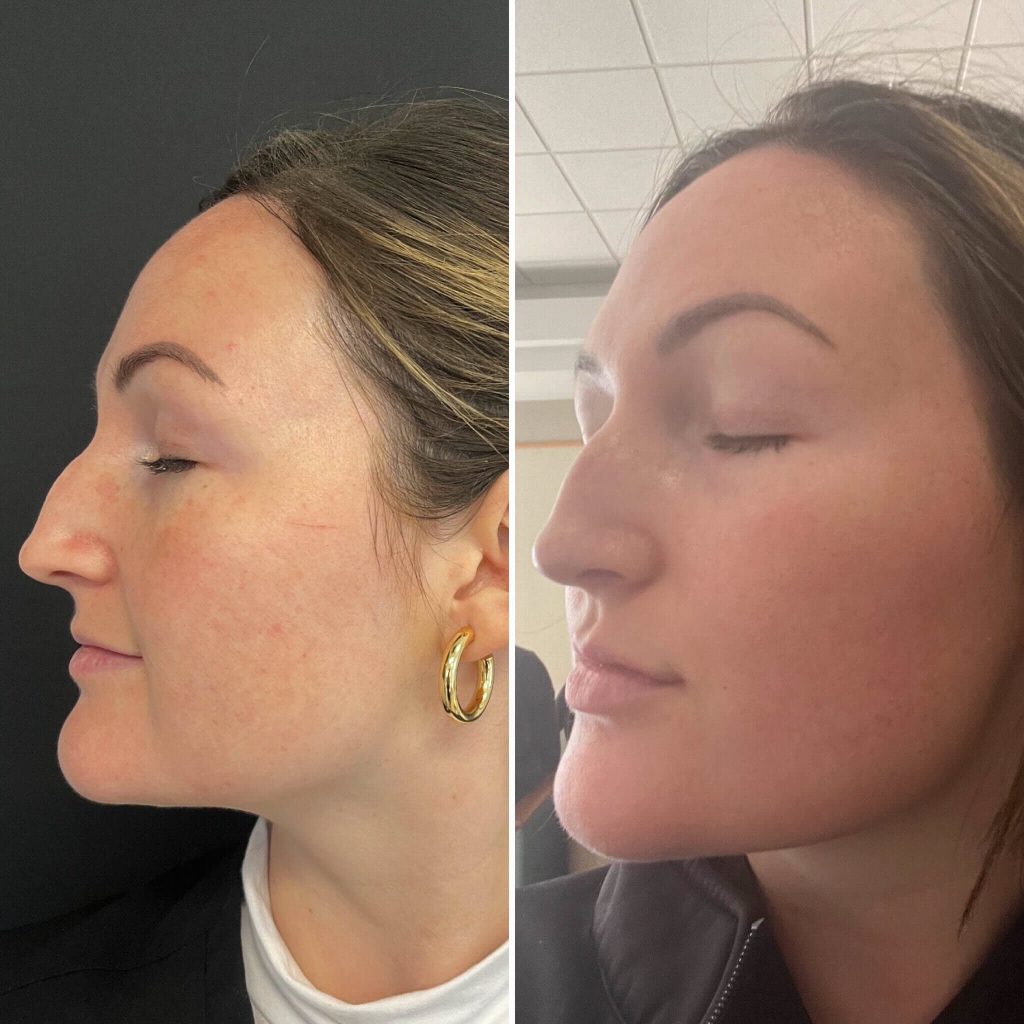
BBL HERO: Targeting Pigment and Redness at the Source
BBL therapy in Dallas uses light energy (not a traditional laser) to treat:
- Sun damage
- Brown spots
- Redness and vascular concerns
BBL works by gently heating the skin and breaking up pigment, while also stimulating collagen. It’s one of the most effective options for overall tone correction.
HALO: Comprehensive Skin Rejuvenation
The HALO laser in Dallas is a hybrid fractional laser that addresses both surface and deeper skin concerns. This is best for:
- Fine lines and wrinkles
- Sun damage and discoloration
- Texture irregularities
HALO is often recommended for patients who want meaningful results with moderate downtime, making it a strong “middle ground” option.
One Treatment Is Rarely Enough
A common misconception is that laser resurfacing delivers full results after a single session. In reality:
- Most patients need a series of treatments
- Results improve gradually as collagen rebuilds
- Maintenance treatments help preserve results over time
Setting realistic expectations is key to being satisfied with your outcome.
Timing Your Treatment Matters More Than You Think
Laser treatments require planning, especially when it comes to sun exposure and recovery. You’ll want to consider:
- Upcoming travel or outdoor activities
- Weddings or major events
- Your ability to accommodate downtime
Fall and winter are often ideal times for laser resurfacing, since reduced sun exposure helps protect your results.
Combination Treatments Often Deliver the Best Results
In many cases, the most natural and comprehensive outcomes come from combining treatments rather than relying on just one. For example:
- MOXI + BBL for tone, pigment, and prevention
- HALO + injectables for texture and volume
- Laser + medical-grade skincare for long-term maintenance
During your consultation, we’ll guide you through options across all laser treatments in dallas to create a plan tailored to your goals.
View this post on Instagram
Choosing the Right Provider Is Critical
Laser resurfacing is not just about the device; it’s about the expertise behind it. At Dallas Dermatology Partners:
- All treatments are overseen by board-certified dermatologists
- We customize every plan based on your skin type and goals
- We prioritize natural-looking, safe, and effective outcomes
With over 65 years of combined experience, our team is committed to delivering thoughtful, patient-centered care.
Take the Next Step Toward Healthier, More Radiant Skin
Laser resurfacing can be transformative, but only when it’s tailored to you.
The best way to get started is with a personalized consultation where we evaluate your skin, discuss your goals, and design a treatment plan that fits your lifestyle.
Schedule your consultation with Dallas Dermatology Partners today and start your skin transformation journey.
