
Dermatologist Skincare Tips

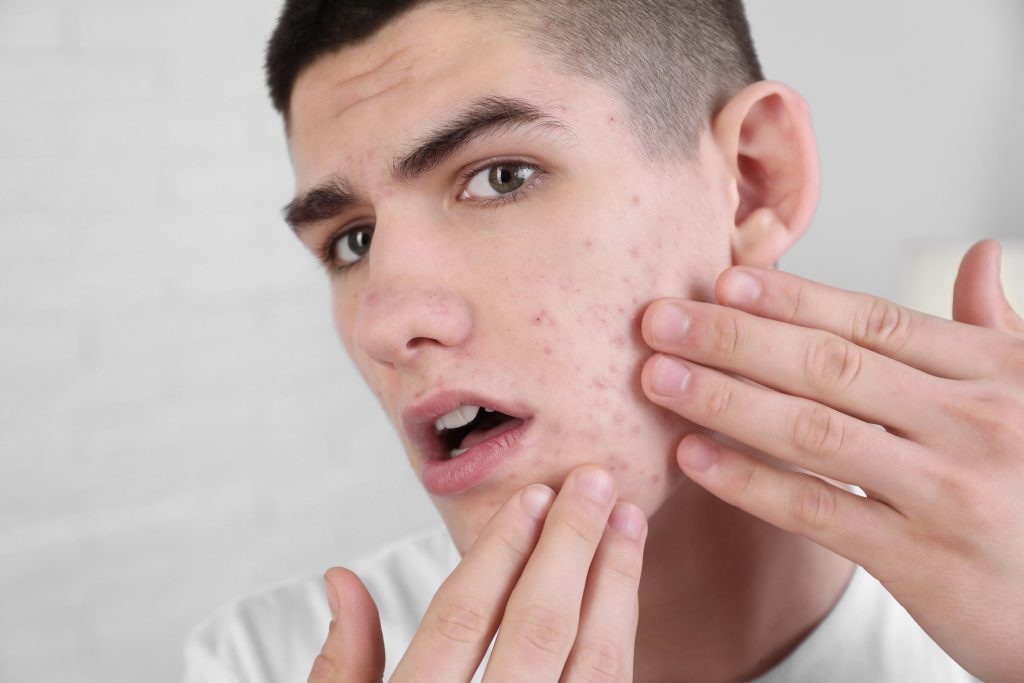
mens acne treatment

Signs & Reasons You Should See a Dermatologist for Acne

Most people try to manage acne on their own first. You switch cleansers, try spot treatments, maybe follow a skincare routine you saw online and hope it starts to improve. For some, that works. For many, it does not.

Acne is not just about clogged pores or the wrong product. It is often influenced by hormones, inflammation, genetics, and how your skin responds over time. When breakouts persist or start to change, it is usually a sign that you need more than over the counter solutions.

At Dallas Dermatology Partners, we take a medical approach to acne that is tailored to your skin and your lifestyle. If you are unsure whether it is time to see a dermatologist, here are some of the most common signs patients experience before seeking care.

Your Breakouts Are Not Getting Better, No Matter What You Try

One of the clearest signs is frustration. You feel like you are doing everything right, but your skin is not improving.

You might notice that your breakouts keep coming back in the same areas, or that as soon as one blemish heals, another one shows up. Your skin may look consistently uneven or inflamed, even on days when you are not actively breaking out.

Many patients tell us they have been trying different products for months without real progress. At that point, it is not about finding a better cleanser. It is about understanding what is actually causing your acne and treating it at the source.

Your Acne Feels Deep, Painful, or Slow to Heal

Not all acne is the same. Some breakouts stay on the surface, while others feel deeper and more uncomfortable.

If you are dealing with bumps that feel tender, swollen, or sore when you touch them, that is a sign of inflammation beneath the skin. These types of breakouts often take longer to come to a head, if they do at all, and can linger for weeks.

They may leave behind dark marks or discoloration after they heal, especially if they are picked at or irritated. This type of acne is more likely to lead to scarring, which is why early treatment is important.

Your Breakouts Are Constant or Keep Coming Back

For some people, acne is not occasional. It feels like it is always there in some form.

You may go through cycles where your skin slightly improves, but it never fully clears. New breakouts appear before old ones have time to heal. This can make your skin feel unpredictable and difficult to manage.

Chronic acne does not always mean severe acne. Even mild but persistent breakouts can benefit from professional treatment because they indicate an ongoing underlying trigger that needs to be addressed.

Your Acne Is Showing Up in Multiple Areas

If your acne is spreading beyond a single area, it may be more than a surface-level issue.

You might notice breakouts across your cheeks, forehead, and chin at the same time, or even on your chest, shoulders, or back. These breakouts can vary in type, from small clogged pores to red, inflamed blemishes.

When acne is more widespread, it often requires a more comprehensive treatment plan rather than isolated spot treatments.

You Are Starting to See Dark Spots or Texture Changes

Even after breakouts heal, they can leave behind reminders.

Many patients notice dark spots that linger for weeks or months after a blemish is gone. Others begin to see uneven texture, small indentations, or areas where the skin no longer looks smooth.

These changes can become more difficult to treat over time. Addressing acne earlier helps reduce the risk of long-term marks and allows for better overall skin outcomes.

Your Acne Has Changed or Suddenly Got Worse

Sometimes acne is not just persistent. It is different than it used to be.

You may notice that your breakouts are becoming more frequent, more inflamed, or appearing in new areas. What used to be small whiteheads may now feel deeper and more noticeable.

Changes like this are often linked to internal factors such as hormones, stress, or lifestyle shifts. When acne evolves, your treatment approach should evolve with it.

hormonal acne treatment
Young woman before and after acne treatment. Skin care concept

You Are Experiencing Adult or Hormonal Acne

Many patients are surprised when acne appears later in life or continues well beyond their teenage years.

Adult acne often shows up along the jawline, chin, and lower cheeks. It may feel deeper and more persistent, and it can be more difficult to treat with standard products.

Hormonal acne, in particular, tends to follow a pattern. You may notice flare-ups around your menstrual cycle or consistent breakouts in the same areas each month. These breakouts often do not respond well to topical treatments alone and may require a more targeted, medical approach.

Acne Is Affecting How You Feel About Your Skin

Acne is not just about appearance. It can affect how you feel day to day.

You might find yourself avoiding going out without makeup, feeling frustrated when your skin does not cooperate, or constantly thinking about how to cover or treat your breakouts.

These experiences are more common than people realize. If acne is impacting your confidence or your routine, it is a valid reason to seek help. Treatment is not just about clearer skin. It is about feeling more comfortable in it.

Why Seeing a Dermatologist Makes a Difference

At a certain point, continuing to experiment with products can do more harm than good. Acne often requires a structured plan that is based on your specific skin type, triggers, and goals.

At Dallas Dermatology Partners, we provide customized acne treatment in dallas that goes beyond surface-level solutions.

Your plan may include prescription medications, guidance on a simplified and effective skincare routine, and strategies to prevent scarring and long-term damage. We focus on treating both the visible acne and the underlying causes.

With over 65 years of combined experience, our board-certified dermatologists take a thoughtful, patient-centered approach to care.

How to Know When It’s Time to Take the Next Step

If you see yourself in any of these situations, it may be time to move beyond trial and error.

Acne is very treatable, but the right approach depends on understanding what your skin actually needs. The earlier you address it, the better your long-term results are likely to be.

Schedule Your Consultation with Us Today

If you are ready for a clearer, more confident approach to your skin, our team is here to help. Schedule your Dallas dermatology appointment today and take the next step toward a personalized acne treatment plan that works for you.

Signs & Reasons You Should See a Dermatologist for Acne Read More »

annual skin check

How To Choose a Dermatologist in Dallas, TX: 7 Things to Look For

Finding the Right Fit for Your Personal Skin Goals and Lifestyle

Choosing the right dermatologist is an important step in protecting your skin health and feeling confident in your care. Because dermatology includes everything from medical conditions to cosmetic treatments, the provider you select should align with your goals, preferences, and long-term needs.

At Dallas Dermatology Partners, patients throughout the Dallas/Fort Worth area are cared for by board-certified physicians with more than 65 years of combined experience. Their approach centers on thoughtful, personalized care, helping patients make informed decisions while feeling supported every step of the way.

If you’re searching for a dermatologist in Dallas, here are seven key factors to guide your decision.

1. Board Certification and Credentials

When evaluating a dermatologist, credentials should be your starting point. Board certification from the American Board of Dermatology confirms that a physician has completed specialized training and continues to meet high standards in the field.

In addition to certification, affiliations with organizations like the American Academy of Dermatology reflect a commitment to ongoing education and clinical excellence. These distinctions indicate that your provider is staying current with evolving treatments and best practices.

At Dallas Dermatology Partners, every physician is board-certified and actively involved in respected medical organizations, reinforcing a strong foundation of expertise and professionalism.

2. Experience and Areas of Focus

Dermatology is a broad specialty, and not every provider offers the same services or depth of experience in specific areas. Some dermatologists focus primarily on diagnosing and treating skin conditions, while others emphasize cosmetic procedures and aesthetic treatments.

If you are managing concerns like acne, eczema, or skin cancer, working with a medical dermatologist in Dallas ensures your care is rooted in clinical precision. On the other hand, if your goals involve rejuvenation or anti-aging treatments, a cosmetic dermatologist in Dallas can guide you through options designed to enhance your natural appearance.

Choosing a provider whose experience aligns with your needs allows for more targeted treatment and better overall results.

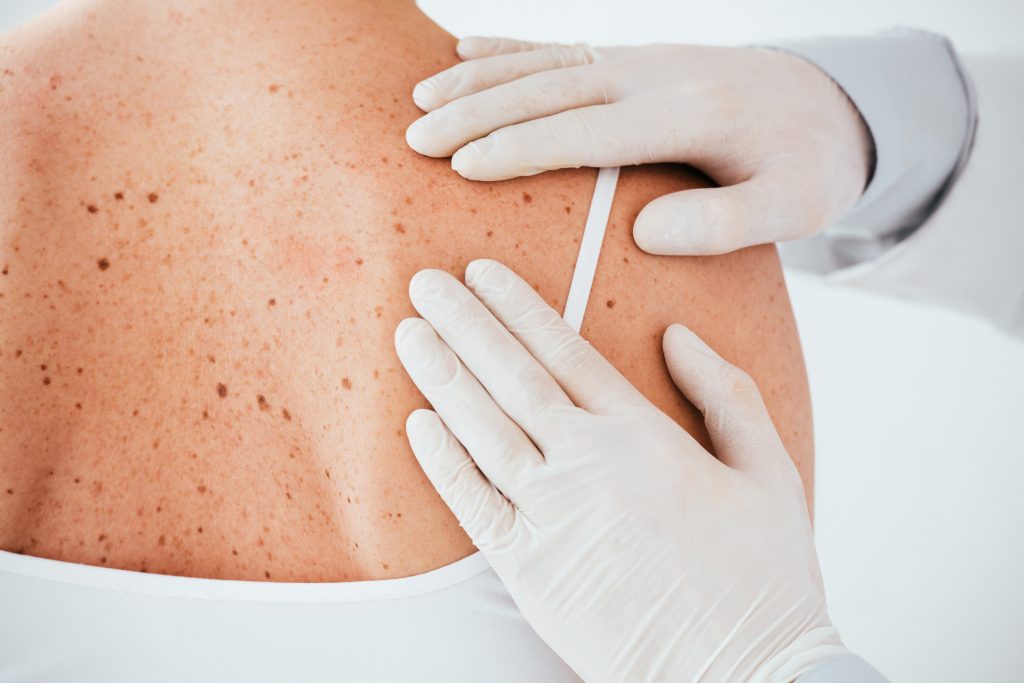
annual skin check
cropped view of dermatologist in latex gloves examining woman with skin disease isolated on white

3. A Patient-Centered Approach

The way a dermatologist communicates and builds relationships with patients plays a significant role in your overall experience. A provider who listens carefully, explains treatment options clearly, and respects your concerns helps create a sense of trust and comfort.

This type of approach also supports better outcomes. When patients understand their treatment plan and feel confident in their provider, they are more likely to follow recommendations consistently and stay engaged in their care.

Dallas Dermatology Partners emphasizes a compassionate, patient-first philosophy, ensuring that each visit is both informative and supportive.

4. Comprehensive Range of Services

Your skin needs can evolve over time, which makes it helpful to choose a practice that offers both medical and cosmetic dermatology services. This allows you to receive care in one place without needing to transition between providers as your goals change.

A comprehensive dermatology practice typically includes:

  • Diagnosis and management of skin conditions
  • Skin cancer screenings and treatment
  • Cosmetic services such as injectables and laser treatments

Having access to a full spectrum of services creates continuity in your care. Your dermatologist can develop a deeper understanding of your skin history, which supports more consistent and effective treatment decisions.

5. Reputation and Patient Feedback

Patient reviews and professional recognition provide valuable insight into the quality of care you can expect. Consistent feedback about communication, professionalism, and results can help you feel more confident in your choice.

You can explore the team of experienced Dallas dermatologists to learn more about their backgrounds, credentials, and approach to patient care.

Dallas Dermatology Partners has earned recognition for both clinical excellence and patient satisfaction, reflecting a commitment to delivering high-quality care in a welcoming environment.

6. Personalized Treatment Planning

Every patient’s skin is unique, which means treatment should never follow a one-size-fits-all approach. A thoughtful dermatologist will take into account your skin type, medical history, lifestyle, and goals when developing a plan.

This individualized approach allows for adjustments over time, ensuring your treatment continues to meet your needs as they evolve. Whether you are addressing a chronic condition or exploring cosmetic enhancements, personalization helps improve both safety and effectiveness.

7. Accessibility and Convenience

Practical considerations often influence whether you stay consistent with your dermatologic care. Location, appointment availability, and ease of scheduling all contribute to your overall experience.

A conveniently located practice with flexible scheduling options makes it easier to prioritize routine visits, follow-ups, and preventative care. Over time, that consistency plays an important role in maintaining healthy skin and catching potential concerns early.

Why Our Patients Choose Dallas Dermatology Partners

Dallas Dermatology Partners combines clinical expertise with a thoughtful, patient-centered approach. Their team of board-certified dermatologists offers a wide range of medical and cosmetic services, allowing patients to receive comprehensive care tailored to their individual needs.

With a strong reputation in the Dallas/Fort Worth community and a commitment to compassionate care, the practice provides an environment where patients feel informed, respected, and confident in their treatment decisions.

“Dr. Dickson is top in her field for good reason, she is an incredible dermatologist. After only three weeks of treatment, I saw a 95% improvement in my psoriasis. Dr. Dickson is kind, intelligent, listens attentively, and has the most cutting-edge knowledge. I wouldn’t trust my medical needs to anyone else. Truly an amazing Doctor!!!”


Schedule Your Visit with Us Today

Finding the right dermatologist is an investment in your long-term skin health. If you’re ready to take the next step, schedule your Dallas dermatology appointment and experience care designed around you.

How To Choose a Dermatologist in Dallas, TX: 7 Things to Look For Read More »

Should we avoid parabens in our skincare products?

Not necessarily. Many cosmetic products are removing parabens from their products because it is desired by consumers. However, any product that contains water and is not refrigerated requires a preservative to inhibit bacterial growth in the product. Therefore, companies are just replacing parabens with another preservative, commonly Kathon-CG, also known as methochloroisothalizolinone. ⁣The Kathon preservatives have a inferior safety profile compared to parabens.  They also cause a higher incidence of allergic contact dermatitis. In fact, most of Europe has banned the use of Kathon preservatives in leave on products, only allowing them in rinse off products such as conditioner. ⁣


Is paraben-free skincare really safer?

It is important to note that preservatives in cosmetics are generally very safe and should not cause alarm. ⁣The bottom line is you don’t have to ditch your favorite products that contain parabens, unless you have a true allergy. True allergies involve redness, itching, and a development of a rash in the areas exposed to the product containing parabens.  If you feel you might have a reaction to parabens, consult with your dermatologist.  Your dermatologist may recommend that you undergo patch testing to determine if you have a true allergy to parabens. Our dermatologists can recommend medical grade skincare products. Purchase online and pick up in our office.

Should we avoid parabens in our skincare products? Read More »

Dealing with “maskne”?

Dealing with mask-associated acne or “maskne”?  Wearing a mask can be hard on your skin.  Here are some skin care tips to help prevent your mask from causing skin problems.

1. Cleanse and moisturize you face daily with a mild gentle cleanser.  We love Cerave foaming facial cleanser.  If you would like a mild exfoliating cleanser, we love our DDP Exfoliating Cleanser!

2. Avoid wearing makeup when wearing a mask.  It will lead to clogged pores and pesky breakouts.  Try a tinted mineral sunscreen like Elta Elements instead to protect your skin while giving you a little color.

3. Stick to a few essential skin care products and avoid putting too many products on your face.  Essentials include a vitamin C serum or lotion, a mineral sunscreen, and a retinoid or other collagen booster at night.  Avoid leave on products with active ingredients such as retinoids or salicylic acid under a mask.

4. Find the right mask for your face.  Select a mask with a soft lining that is comfortable and snug but not too tight.

5. When it is safe to do so, and after washing your hands, try to take 10-15 minute mask breaks every few hours.

6. Wash your cloth masks frequently with gentle soap or detergent.

7. If you have acne, rosacea, or another skin condition, continue to follow the treatment plan your dermatologist designed for you.

Make an appointment with a board-certified dermatologist to help clear up your mask-associated acne today!

p istock 953915622

Dealing with “maskne”? Read More »

What is skin fasting and should you be doing it?

The concept of skin fasting came from a Japanese skin care company and involves eliminating the use of skin care products for a period of time. The idea is that your skin will recover from product overuse and will become more reliant on itself to repair skin issues rather than relying on cleansers, moisturizers, serums, and other products.

Is Skin Fasting For You?

While there is no peer-reviewed scientific data that I have been able to find to support the new trend of skin fasting, it can be beneficial to certain patients, particularly those with new onset irritation or redness.

beautiful smiling woman with clean skin picture id1090452418

How Does Skin Fasting Work?

Similar to the microbiome in our gut, we have a microbiome on our skin that consists of trillions of microorganisms, primarily bacteria, that are essential to healthy skin. Using products or cleansers that are advertised as antibacterial or cleansing the skin too frequently can strip the skin of its natural oils and nutrients, which can disrupt the skin’s natural barrier and lead to irritation and breakouts. It is important to note that facial skin takes over 2 weeks to turn over, so results from fasting will not be apparent until after that period of time.

How To Skin Fast

For most patients, they need to slim down their skincare regimen rather than going on a complete fast. There are so many products on the market and many patients are layering multiple different products on their skin day and night in addition to frequently changing the products they are using. I constantly aim to simplify my patients’ skin regimens and prevent redundancy in the products they are using. Keep it simple with 3 or 4 products – a vitamin C, a mineral sunscreen, a collagen builder in the evening, usually a retinoid, and a moisturizer if needed. If there are additional products you would like to use, you can try adding them back in one at a time for two weeks at a time to see if it makes a difference in your skin.

Happy skin dieting everyone!

Check out Dr. Dickson sharing her expert advice on skin fasting on Spotlyte here!

Click here to find out what products Dr. Dickson recommends!

@drlaurendickson

What is skin fasting and should you be doing it? Read More »

Home » Dermatologist Skincare Tips

Contact Us

Contact Us

  • This field is for validation purposes and should be left unchanged.
  • * All indicated fields must be completed. Please include non-medical questions and correspondence only.

Newsletter Signup

Newsletter Signup

Office Hours

Monday-Thursday
8:00AM - 4:00PM

Friday
8:00AM - 2:00PM
(Please note phones are on until 2:30PM)

Our Office

Our Doctors

Office Hours

Monday-Thursday
8:00AM - 4:00PM

Friday
8:00AM - 2:00PM
(Please note phones are on until 3PM)

Accessibility Toolbar

Scroll to Top