
Botox has become a useful component in managing the symptoms of Temporomandibular Joint (TMJ) disorder. Characterized by tenderness of the jaw, headaches, and uncomfortable chewing, TMJ disorder can make life difficult. Botox for TMJ breaks the chronic pain cycle, improving symptoms in more than 90 percent of people who have not responded to traditional treatments.
TMJ Botox Benefits: Pain Relief and Facial Slimming
TMJ Botox offers both medical and aesthetic advantages, making it a popular solution for patients experiencing jaw tension, teeth grinding, and a prominent lower face shape. By relaxing the overactive masseter muscles, Botox helps alleviate chronic symptoms while also subtly reshaping the jawline.
Patients often report significant relief from teeth grinding (bruxism), jaw pain, and tension headaches after treatment. These benefits typically emerge within one to two weeks as the targeted muscles begin to relax. At the same time, many individuals notice a slimmer, more contoured lower face, especially when the masseter muscles have become enlarged from overuse.
This dual benefit—pain relief and facial slimming—makes TMJ Botox an appealing option for both men and women seeking a solution that addresses both comfort and confidence. Whether your goals are functional, cosmetic, or both, jaw Botox can be an effective part of your overall treatment plan.
TMJ Botox vs. Traditional Treatments
For those evaluating their options, TMJ Botox stands out as a nonsurgical, fast-acting, and minimally invasive alternative to traditional TMJ therapies. Here's how it compares:
| Treatment Type | Method | Duration | Pros | Cons |
| Botox Injections | Relaxes masseter muscle | 4–6 months | Non-invasive, dual benefit (pain + aesthetics) | Needs periodic maintenance |
| Night Guards | Worn during sleep | Ongoing | Protects teeth from grinding | Doesn't stop muscle tension |
| Physical Therapy | Manual therapy/exercises | Varies | Improves joint mobility | Time-intensive, slower results |
| Medications | Anti-inflammatories/muscle relaxers | Short-term | Reduces inflammation/pain | Potential side effects |
Botox provides a targeted, in-office solution with minimal downtime—ideal for patients who prefer TMJ treatment without surgery. For many, it’s the missing link in an otherwise frustrating search for lasting relief.
TMJ Botox Cost in Dallas
At Dallas Dermatology Partners, the cost of TMJ Botox typically ranges from $480 to $1,100 per session, depending on the number of units required and the severity of your symptoms. Factors such as muscle size, jaw clenching intensity, and whether cosmetic results are desired can influence the final cost.
While most insurance plans do not cover TMJ Botox when it’s considered cosmetic, you may be able to use HSA or FSA funds for treatments performed to relieve jaw pain or bruxism. We’re happy to help verify whether your plan offers any reimbursement options.
If you’re searching for affordable TMJ Botox near you, our team offers transparent pricing and personalized recommendations during your consultation.
TMJ Masseter Botox Results
Patients can expect to see both functional and cosmetic improvements following their masseter Botox treatment. Relief from clenching and teeth grinding typically begins within a few days, with full effects developing around the two-week mark. Pain reduction, fewer headaches, and a more relaxed jaw are among the most common outcomes.
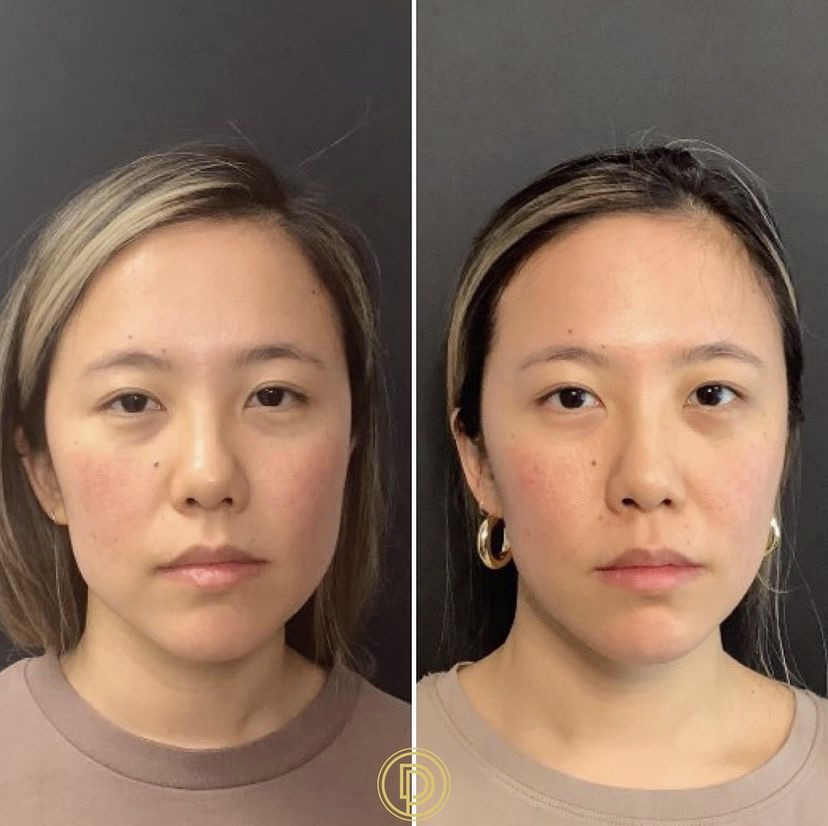
Over time, repeated treatments can lead to visible changes in the jawline, especially in patients with enlarged masseter muscles. This slimming effect can subtly enhance facial symmetry and soften a square jaw appearance without surgery.
To see real results, browse our Before & After photo gallery or explore patient testimonials highlighting reduced jaw tension and improved facial contour. Each result reflects the personalized approach we take with every treatment plan.
TMJ Botox Before & After
In addition, individuals who clench or grind their teeth may notice soreness in their jaw and development of a more masculine appearing jawline and square shaped contour to the face. Musculature can affect facial shape and when we chew gum or grind or clench our teeth regularly, the masseter muscle may become chronically contracted and enlarged resulting in a square, masculine appearing jawline. Botox or Dysport can help achieve a more feminine facial aesthetic with a more oval or V-shaped face.
Botox treatments are usually synonomous with cosmetic enhancement, however the same action that smooths wrinkles and age-related furrows help alleviate jaw tension and muscle spasms. Dallas Dermatology Partners is pleased to offer this alternative, non-surgical treatment for sufferers of TMJ and teeth clenching.
How to Prepare for Your TMJ Botox Appointment
Getting ready for your TMJ Botox appointment is simple. Here’s what to expect and how to prepare for a smooth experience:
- Avoid alcohol, blood thinners, and anti-inflammatories for at least 24–48 hours before your visit, as these may increase the risk of bruising.
- Stay hydrated and eat a light meal before your appointment to ensure comfort.
- During your consultation, your provider will assess your jaw movement, masseter size, and discuss your symptoms and goals.
- The treatment itself usually takes 15–30 minutes, with minimal discomfort. Most patients describe the injections as quick pinches.
For those wondering what to expect at a TMJ Botox consultation, we’re here to walk you through every step, ensuring you feel informed and confident.
TMJ Masseter Botox Recovery and Aftercare Tips
After receiving TMJ Botox, most patients return to their normal routine immediately. However, following a few simple aftercare tips can optimize your results:
- Avoid rubbing or massaging the treated area for the first 24 hours.
- Skip strenuous exercise, saunas, or facials for at least 24–48 hours.
- Refrain from lying down flat for 4 hours post-treatment.
- Mild swelling or tenderness at injection sites is normal and usually fades within a day or two.
Initial results typically appear within 3–5 days, with full benefits felt after two weeks. If this is your first treatment, your provider will recommend a follow-up appointment to assess progress and determine the ideal maintenance schedule.
How Long Does Masseter TMJ Botox Last?
On average, masseter Botox lasts between 4 to 6 months. The exact duration depends on several individual factors, including:
- Size and strength of your masseter muscles
- Frequency and severity of jaw clenching or grinding
- Stress levels and lifestyle habits
Patients often find that with consistent treatments, their symptoms lessen over time, and results may even last longer. For optimal maintenance, we generally recommend scheduling re-treatment every 4 to 6 months.
Masseter Botox for Men vs. Women
While TMJ Botox works well for all genders, treatment plans often differ between men and women due to anatomical and aesthetic goals.
Men typically have larger, stronger masseter muscles, and the focus is often on reducing tension and pain while maintaining a naturally strong jawline. Women may seek both symptom relief and a softer, more contoured appearance, as Botox gradually slims the lower face.
At Dallas Dermatology Partners, we tailor every treatment based on your anatomy and preferences, whether you're looking to relieve jaw clenching or subtly refine your facial profile.
Recovering from Botox TMJ Disorder Treatment
This is a non-invasive treatment with no downtime so that patients can resume normal activities immediately. Aftercare is simple, patients are advised to:
- Keep their head elevated for 2 hours
- Avoid strenuous physical activity for 24 hours
- Avoid pressure on the injection sites for a few hours
TMJ Botox Specialist in Dallas
If you have questions about TMJ Botox treatment or would like more information on Botox for masseter muscle relaxation, we invite you to reach out to Dallas Dermatology Partners. Our team is thrilled to offer this non-invasive option to men and women who have not found relief from painful TMJ symptoms using other methods.