
Understanding GLP-1 Hair Loss and What You Can Do About It
Medications like Ozempic®, Wegovy®, and other GLP-1 receptor agonists have changed the way many patients approach weight loss and metabolic health. Alongside these benefits, some individuals begin to notice increased hair shedding, which can feel unexpected and concerning.
At Dallas Dermatology Partners, we regularly help patients navigate hair loss related to medical treatments, including GLP-1 medications. In many cases, this type of hair loss is temporary and manageable with the right approach. Understanding why it happens and what you can do about it is the first step toward regaining confidence and control.
Do GLP-1s Cause Hair Loss?
GLP-1 medications are not designed to cause hair loss directly. However, some patients experience noticeable shedding while taking them. This is most often linked to a condition called telogen effluvium, a temporary form of hair loss triggered by internal stress on the body.
Rapid weight loss is one of the most common triggers. As your body adjusts to changes in metabolism, calorie intake, and nutrient balance, more hair follicles may shift into the shedding phase at the same time. Research from the National Library of Medicine supports that telogen effluvium can occur after significant physical changes, including weight fluctuations.
Why Do GLP-1s Cause Hair Loss?
To understand why shedding happens, it helps to look at the hair growth cycle. Hair naturally cycles through growth, transition, and resting phases. When the body experiences stress or rapid change, more hairs can enter the resting phase prematurely, leading to increased shedding a few months later.
Several factors associated with GLP-1 use can contribute to this shift:
- Rapid weight loss
- Reduced caloric intake
- Potential nutrient deficiencies, especially protein, iron, and zinc
- Hormonal and metabolic changes
These changes do not damage the hair follicle itself, which is why the condition is often reversible once the body stabilizes.
Can You Prevent GLP-1 Hair Loss?
While prevention is not always guaranteed, there are ways to reduce the likelihood or severity of shedding. A proactive approach can make a meaningful difference, especially early in your treatment.
Focus on supporting your body during weight loss by:
- Maintaining adequate protein intake
- Ensuring proper levels of iron, zinc, and key vitamins
- Avoiding overly rapid or extreme calorie restriction
- Monitoring changes with a physician or dermatologist
Starting these habits early helps minimize stress on the hair cycle and supports more stable growth.
Can You Stop GLP-1 Hair Loss?
Once shedding begins, it may not stop immediately because hair cycles take time to reset. However, addressing the underlying triggers can help slow the process and prevent prolonged shedding.
This often involves improving nutritional intake, supporting overall health, and introducing treatments that encourage follicles to return to the growth phase. While patience is part of the process, the right plan can help you regain control more quickly.
Can You Treat GLP-1 Hair Loss?
Yes, treatment options are available and can be tailored to your specific situation. Early evaluation allows for more targeted care and can help shorten the duration of shedding.
At Dallas Dermatology Partners, we offer personalized hair loss treatment in dallas designed to address both the cause and the symptoms of hair loss. Treatment may include topical therapies, oral medications, or in-office procedures depending on your needs.
A customized plan ensures that your treatment aligns with your overall health and hair restoration goals.
How Can You Restore Hair Volume?
As shedding slows, restoring volume becomes the next priority. Supporting regrowth requires stimulating the hair follicles while maintaining a healthy scalp environment.
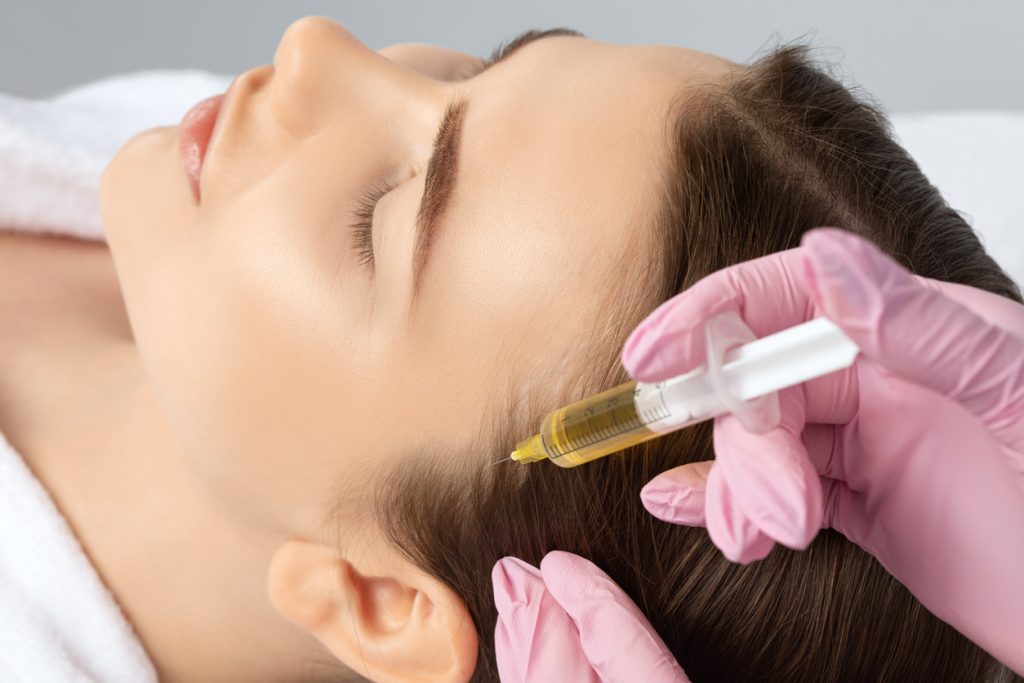
One advanced option is PRP for hair loss in Dallas. This treatment uses your body’s own growth factors to help reactivate hair follicles and improve density over time. It is often combined with other therapies to enhance results.
Your dermatologist may also recommend medical-grade products or supplements to support ongoing regrowth and strengthen existing hair.
Will My Hair Grow Back?
In most cases, hair loss associated with GLP-1 medications is temporary. Because the follicles remain intact, the hair growth cycle can return to normal once the body adjusts.
Many patients begin to see improvement within a few months, although the exact timeline varies. Factors such as nutrition, overall health, and how quickly the underlying trigger is addressed all play a role.
With consistent care and the right support, regrowth is typically achievable.
When Should You See a Dermatologist for Hair Loss?
If you are noticing increased shedding while taking a GLP-1 medication, it is completely reasonable to want clarity about what is happening. While some hair loss can resolve on its own, certain patterns suggest it is time to seek professional guidance.
Signs It’s Time to Schedule an Evaluation
You may want to see a dermatologist if you notice:
- Shedding that continues beyond 2 to 3 months without slowing down
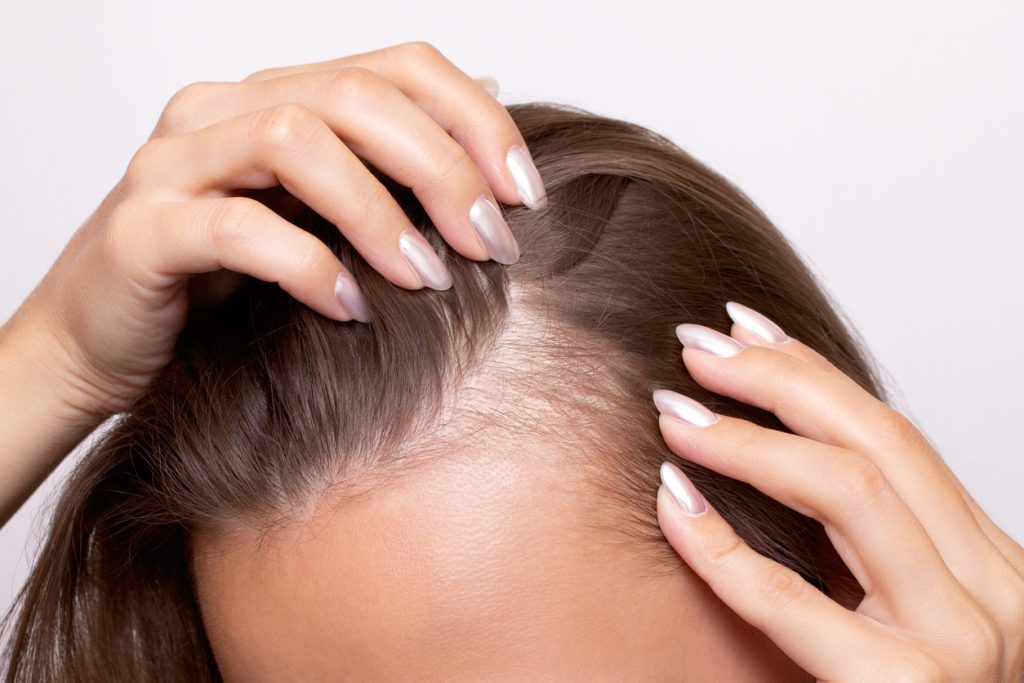
- Visible thinning, such as a widening part or reduced volume
- More hair than usual coming out during brushing or washing
- Hair that feels noticeably finer or less dense over time
These changes can indicate that your hair cycle has been significantly disrupted or that additional factors are contributing.
If You’re Unsure What’s Causing the Hair Loss
Hair loss related to GLP-1 medications can overlap with other causes, including stress, hormonal changes, and nutritional deficiencies. If you are unsure whether your medication is the primary factor, a dermatologist can help identify what is driving the shedding.
Getting clear answers early can help you avoid unnecessary worry and take the right steps forward.
What to Expect During Your Visit
A dermatology visit is focused on providing clarity and a plan. During your appointment, your provider may:
- Examine your scalp and evaluate hair density
- Review your medical history and recent weight changes
- Discuss your diet, medications, and lifestyle
- Recommend lab testing, if needed, to assess for deficiencies or imbalances
From there, you will receive a personalized strategy to help stabilize shedding and support regrowth, based on your specific needs.
Take the Next Step with Expert Care
Hair loss can feel frustrating, especially when it appears during a time when you are making positive changes for your health. The right support can make the process more manageable and help you feel confident in what comes next.
At Dallas Dermatology Partners, our team provides thoughtful, individualized care to help you address hair loss effectively. If you are experiencing shedding or want to take a proactive approach, schedule your Dallas dermatology appointment today.
View this post on Instagram
